From Vision to Visual Reality
There’s something uniquely powerful about seeing a concept take shape right before your eyes — especially when that concept bridges the gap between imagination and a worn-down reality. Recently, I experimented with an AI prompt that perfectly captures this sensation: placing a person calmly observing a decayed, unfinished environment, with expressive hand-drawn sketches floating in and around the space as if breathing life into it.
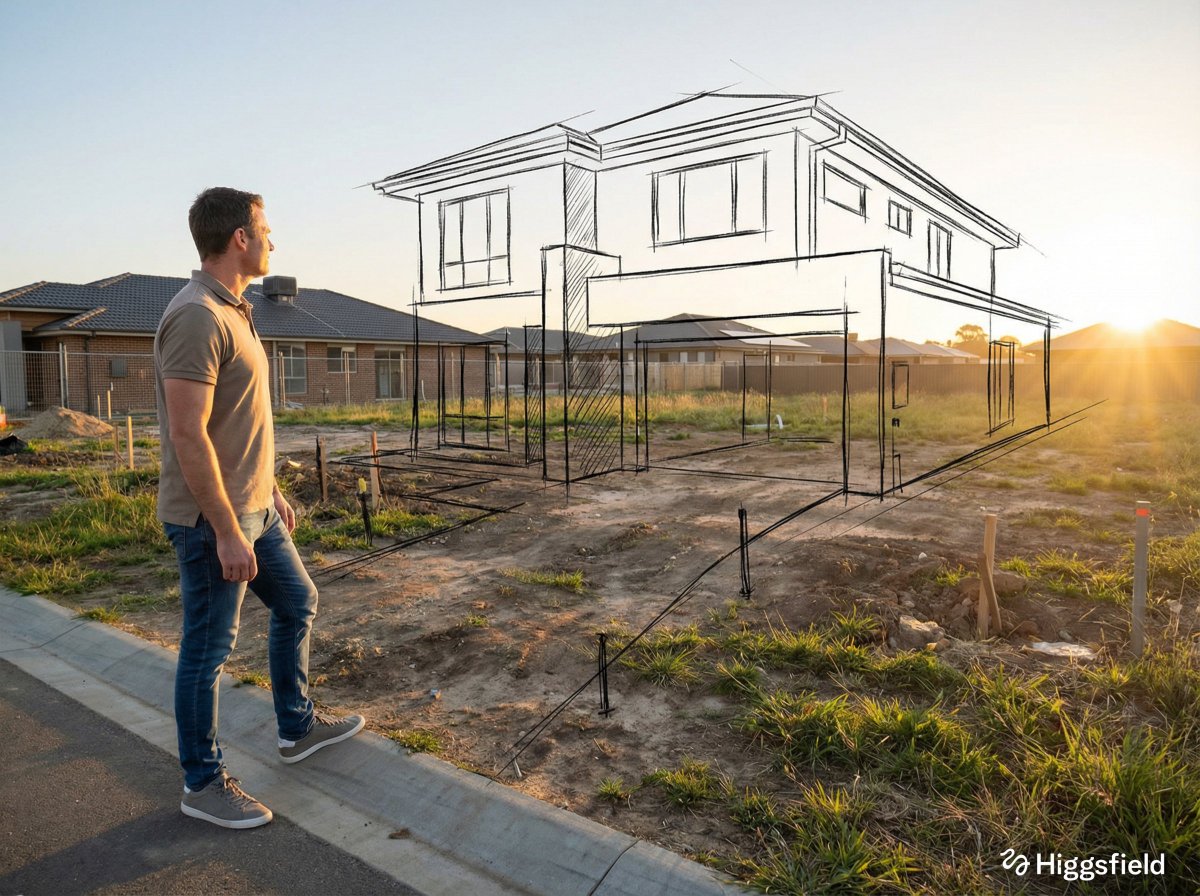
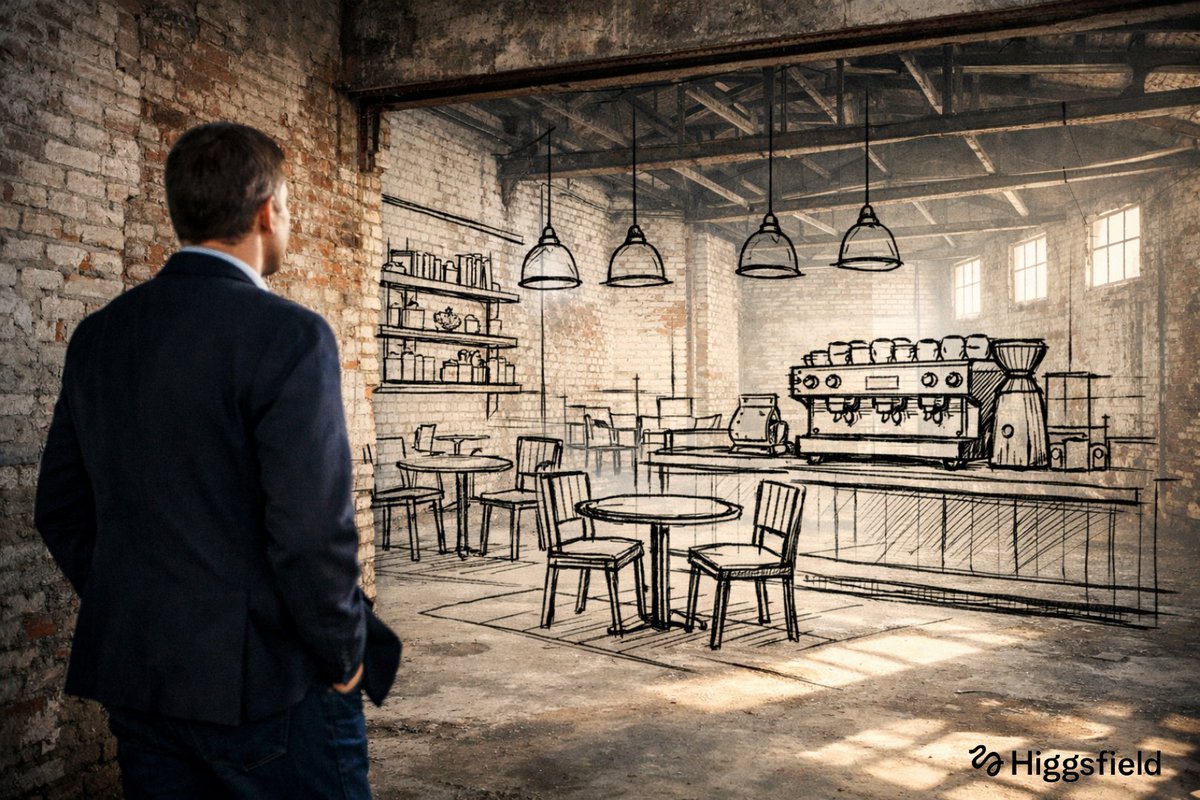

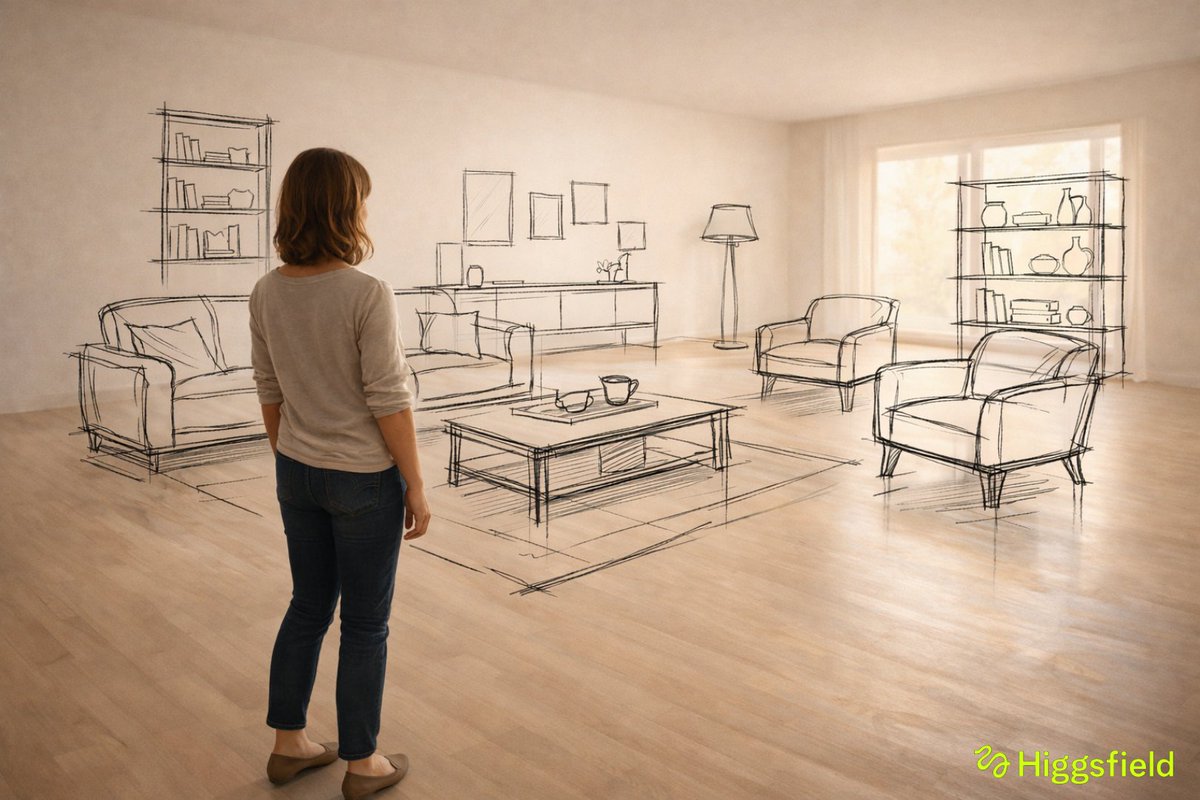
The scene is set carefully: a person stands near the edge of the frame, slightly to the left, viewed from behind at a three-quarter angle. This positioning invites you to see the environment through their eyes — a quiet, minimal space that feels historical and raw, illuminated by natural light casting realistic shadows. The environment itself is lifeless, unfinished, and rigid, but that’s where the magic happens.
Overlaying this real-world decay are floating, hand-drawn black sketch lines. These aren’t perfect or sterile—they feel organic, like architectural or urban restoration concept sketches made with ink or pencil. The strokes are expressive and imperfect, perfectly aligning in perspective with the environment. What’s truly striking is how these sketches sometimes overlap the person’s silhouette and the real surfaces, visually blending imagination with reality.
This technique really captures a sense of potential and transformation. The sketches represent what once was, what is missing, or even what could exist in the future. It’s a subtle yet powerful way to tell a story of restoration and vision, making the viewer feel like they’re witnessing the birth of new ideas grounded in the tangible world.
Using AI tools like chatGPT image 1.5 on @higgsfield_ai helped me bring this concept to life with an incredible balance of realism and artistic expression. This approach pushes the boundaries of traditional text to image generation by integrating hand-drawn elements that feel both intentional and spontaneous.
For creators wanting to explore similar ideas, I recommend focusing on prompt adjustments that emphasize perspective alignment and emotional tone. Avoid overly mechanical strokes—imperfection here adds to the authenticity. Also, positioning your subject thoughtfully to create a narrative viewpoint makes a huge difference.
If you want to dive deeper into how to use prompts to blend sketches with real environments or explore more on image generation, check out some great resources like AI image generator, text to image, and AI art creator. These platforms offer tools and inspiration to help you adjust your prompts and avoid common mistakes.
You can find the full prompt here: ✨Prompt✨