A Surreal Urban Encounter with a Giant Kitten
Last week, on my usual route through the city, something utterly unexpected caught my eye: an enormous L-shaped glasses-free 3D LED screen towering at a busy intersection. The design echoed the iconic architectural vibes of places like Shinjuku in Tokyo or Taikoo Li in Chengdu, blending seamlessly into the urban landscape. But what truly held me was the animation—a giant, fluffy kitten playfully pawing at passersby, its curious face and paws extending so realistically that it felt like the creature was just steps away from me.

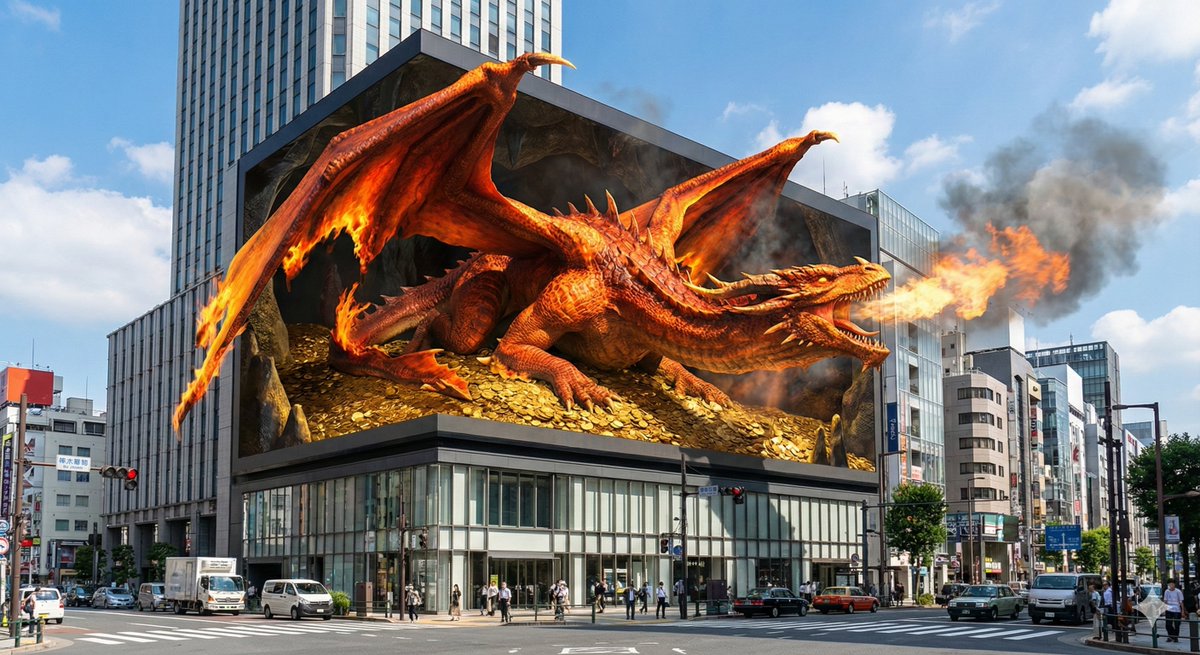


The glasses-free 3D technology was a game changer. Without the need for any eyewear, the kitten’s limbs appeared to float in mid-air, breaking the confines of the screen’s edges. In the bright daylight, shadows cast by the kitten’s paws were so lifelike, they played across the screen’s surface and even onto nearby buildings, making the illusion feel astonishingly real. This blend of fantasy and reality completely transformed the ordinary city corner into a moment of pure wonder.
As a content creator who often experiments with AI-driven image generation, seeing such a vivid example of text to image technology in a public space was inspiring. The animation’s intricate details—from the kitten’s soft fur to the vibrant colors—showed how prompt adjustments and careful scene description can elevate an AI prompt to something immersive and emotionally engaging.
This experience reminded me how vital it is to think beyond traditional screens and embrace innovative uses of AI image generator technology. Whether you’re crafting visuals for art, advertising, or urban installations, understanding how to use prompt details to create natural depth and shadow can make your creations leap off the screen—literally.
You can find the full prompt here: ✨Prompt✨
For anyone curious about exploring similar effects, I recommend experimenting with layering 3D elements and refining lighting cues in your prompts. Avoid prompt mistakes like vague scene descriptions or ignoring the environment’s lighting, which can flatten the visual impact. This project perfectly illustrates the power of text to image combined with architectural storytelling, pushing the boundaries of what an AI art creator can achieve in real-world spaces.