Discovering the Power of Structured Nano Banana Pro Prompts
When I first came across Google’s official guide outlining effective Nano Banana Pro prompts, I was intrigued by its clear, modular structure. The guide breaks down prompts into six key elements: Subject, Composition, Action, Setting, Style, and Lighting/Material. With 20 example prompts crafted around this formula, I decided to experiment and see how these combinations could transform my AI image generation process.
One of the biggest challenges I faced before was achieving consistent visual impact. By layering elements like composition and lighting thoughtfully, the results became more dynamic and visually rich. For example, pairing a low angle shot with golden hour lighting added this breathtaking warmth and drama to my images that felt almost cinematic.
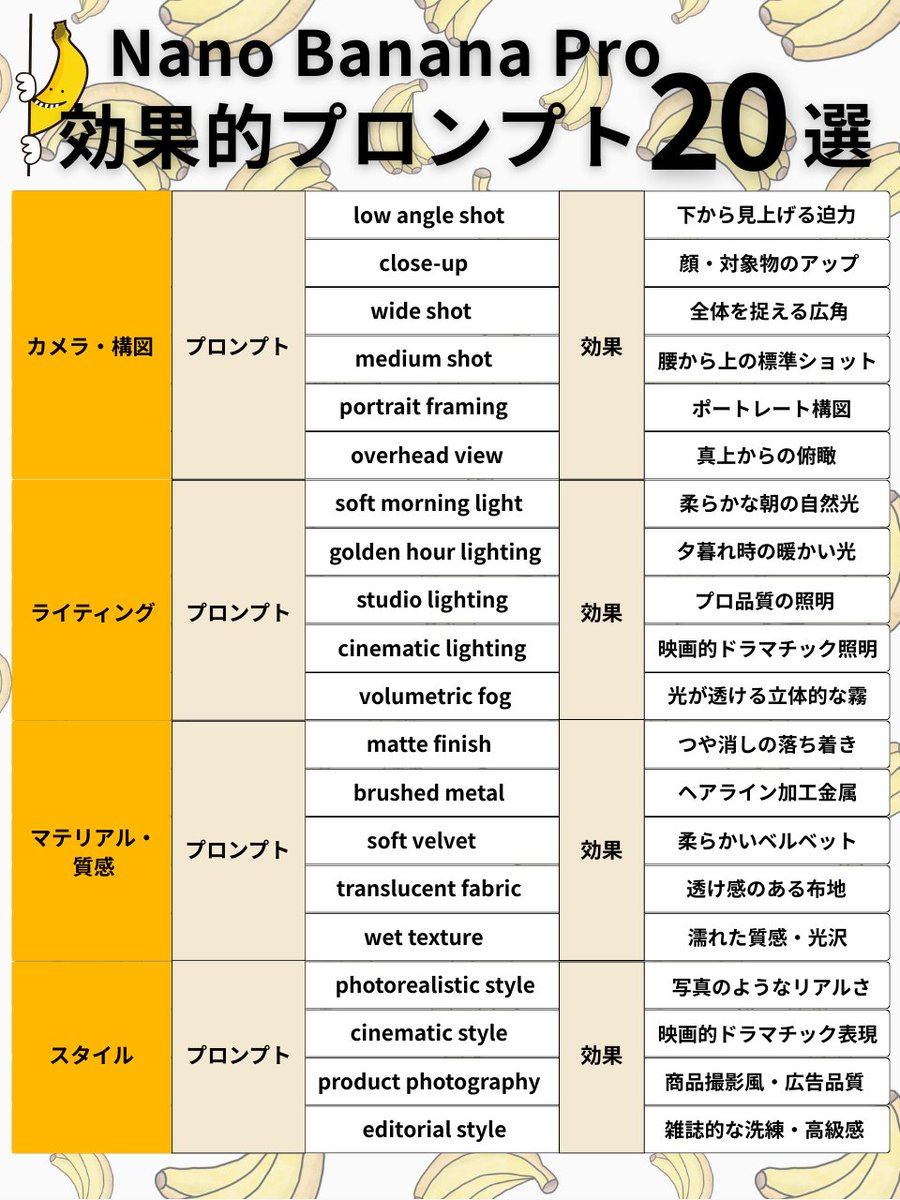
The guide’s breakdown of camera angles—from close-ups that grab intimate details to overhead views revealing entire scenes—helped me think like a photographer, even when working purely in AI. Adding material textures such as soft velvet or wet texture brought a tactile quality that made the visuals pop beyond flat digital renders.
Practical Tips I Learned While Using Nano Banana Pro Prompts
- Start with a clear Subject and Composition: Deciding on a portrait framing or wide shot early shapes the whole image’s mood.
- Use Lighting creatively: Soft morning light gives a gentle, natural feel, while cinematic lighting adds dramatic flair.
- Mind the Material textures: Matte finish tones down shine for sophistication, whereas brushed metal adds modern edge.
- Mix and match styles: Photorealistic style works great for lifelike results, but editorial style can elevate images to high-fashion levels.
One mistake I made initially was overloading prompts with too many conflicting details, which diluted the focus. The key is balance—combine just a few strong elements and let the AI interpret them creatively. Adjusting prompt phrasing and order also influenced output quality significantly, a reminder that prompt engineering is as much art as science.
For creators looking to enhance their image generation workflow, I recommend keeping this structured approach handy and experimenting with different combinations. It’s a game-changer for producing consistent, high-quality visuals that stand out.
You can find the full prompt here: ✨Prompt✨
Check out more about AI image generator, text to image, and AI art creator tools to elevate your creative projects.