Why I Started Exploring Meta Prompt Design
As someone who regularly creates AI visuals, I found myself frustrated with generic prompts that barely scratched the surface of what I wanted. I realized that mastering meta prompt design — essentially designing prompts that create other prompts — was the key to unlocking much richer, context-aware outputs from AI models.
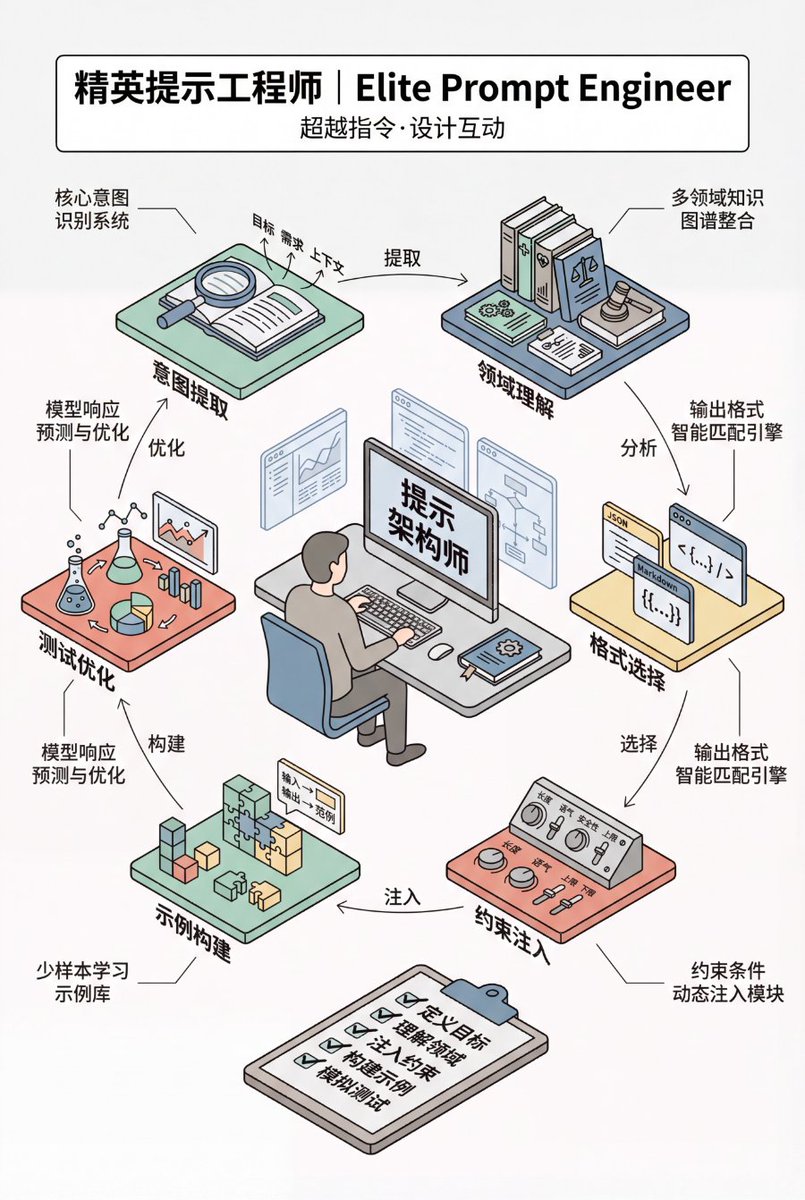
You can find the full prompt here: ✨Prompt✨
The Six Principles That Changed My AI Workflow
Working through the meta prompt framework, I learned to:
- Define clear outcome goals: Every prompt now starts with a crystal-clear final output in mind, eliminating ambiguity.
- Understand contextual scenarios: Instead of writing prompts, I translate professional tasks into AI language that the model truly understands.
- Choose the right format: Whether it’s narrative, JSON, markdown, or tables, format choice shapes the AI’s response quality.
- Inject hard constraints: Word limits, tone, structure, and role-playing are my control knobs to steer AI results.
- Build few-shot examples: These are not just examples but boundaries that help the AI learn nuances.
- Predict and test responses: Like UX testing, I imagine AI replies and tweak prompts accordingly for better performance.
Going Beyond Prompts: Designing AI Interaction
Meta prompt design means thinking beyond just the words you type. It’s about crafting interactive dialogue spaces where AI and humans collaborate smoothly. By modularizing prompts and anticipating ambiguities, I can reuse templates across projects and refine them like a designer shaping user experience.
This approach has transformed how I use AI image generators and other tools. Instead of one-off prompts, I now have a toolkit of adaptable, efficient prompts that produce consistent, high-quality results.
Final Thoughts
In short, the best prompt creators are not just writers — they are prompt architects. They design the interaction, not just instructions. This shift in mindset helped me unlock AI’s full potential, making my creative process smoother and more rewarding.
If you’re serious about improving AI output, focusing on meta prompt design will pay off. And if you want to experiment, check out resources on text to image and AI art creator techniques to see how prompt adjustments can change the game.
Have you tried designing meta prompts? What part do you usually overlook? Drop your thoughts in the comments!