Recently, I experimented with a fascinating AI prompt that challenged me to hide a word within an image in a way that’s almost invisible at first glance. The prompt was to create a photo where the word "banana" is cleverly embedded and formed by a group of monkeys. The idea intrigued me because it combined visual creativity with a playful secret—something you only notice after a closer look.
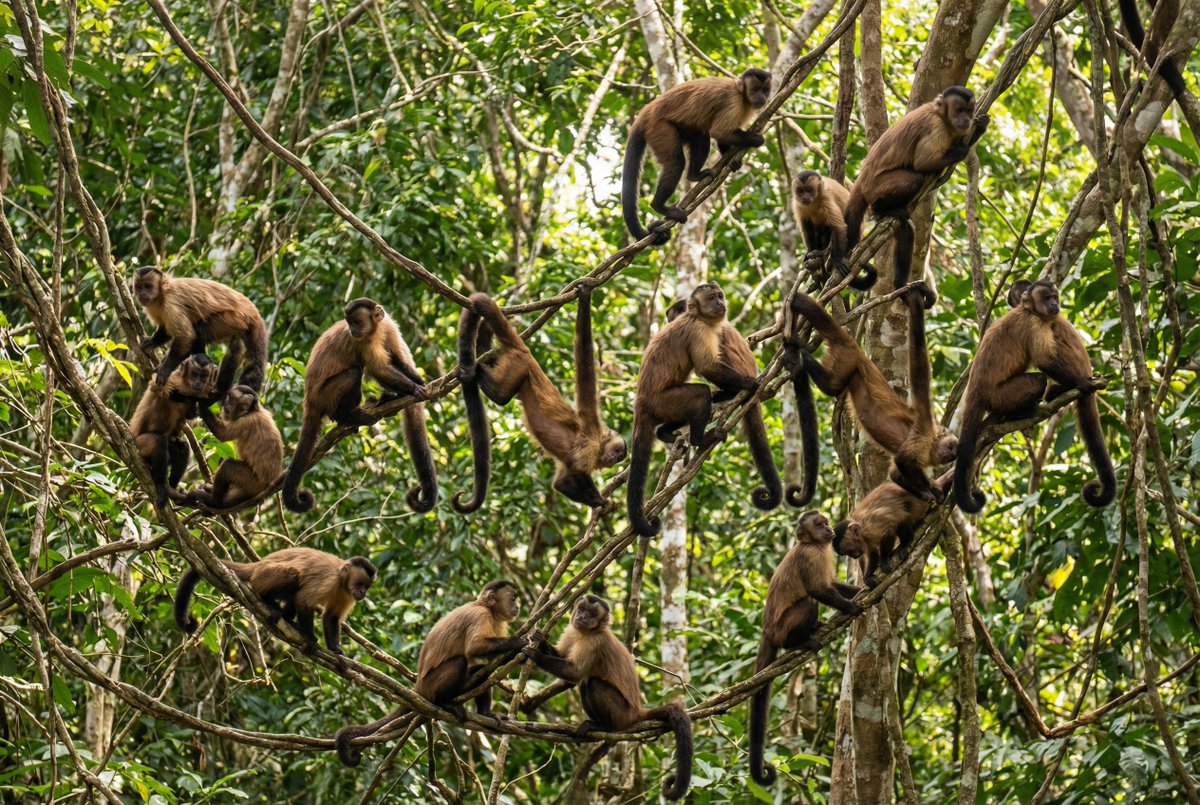
At first, the image looks like a lively jungle scene filled with monkeys. But as I stared longer, the shapes and poses of the monkeys started to reveal the letters spelling out "banana." The word was camouflaged so well that until someone points it out, you might completely miss it. Once you spot it, though, the image transforms—you can’t unsee the word anymore.
This experiment taught me a lot about how subtlety and pattern recognition work in AI-generated visuals. The prompt’s wording was crucial; specifying the word to be formed and the subject (monkeys) gave the AI clear guidance while leaving creative freedom. However, I had to adjust the prompt a few times, tweaking details to get the monkeys arranged naturally yet precisely enough to shape the letters.
One practical insight was balancing complexity and clarity. Too many monkeys, and the word became a confusing mess; too few, and it was too obvious. Also, lighting and contrast helped hide or highlight the letters depending on how the monkeys were positioned. Playing with these elements made the image more engaging and interactive.
If you’re curious to try something similar, I recommend experimenting with AI image generator tools that support detailed prompts. Using text to image AI creatively opens up fun ways to embed hidden messages or easter eggs in your visuals.
You can find the full prompt here: ✨Prompt✨
For more inspiration, check out how other creators use AI art creator platforms to play with hidden elements and clever image composition. It’s a fascinating intersection of art, technology, and puzzle-solving.