From Kitchen Snapshots to Gourmet Visuals
As someone who loves sharing homemade dishes but struggles with photography, I was curious if AI could bridge the gap between my amateur food photos and the polished shots I admired on restaurant pages and food magazines. The idea of using AI to enhance food images while preserving their original charm sounded almost too good to be true.

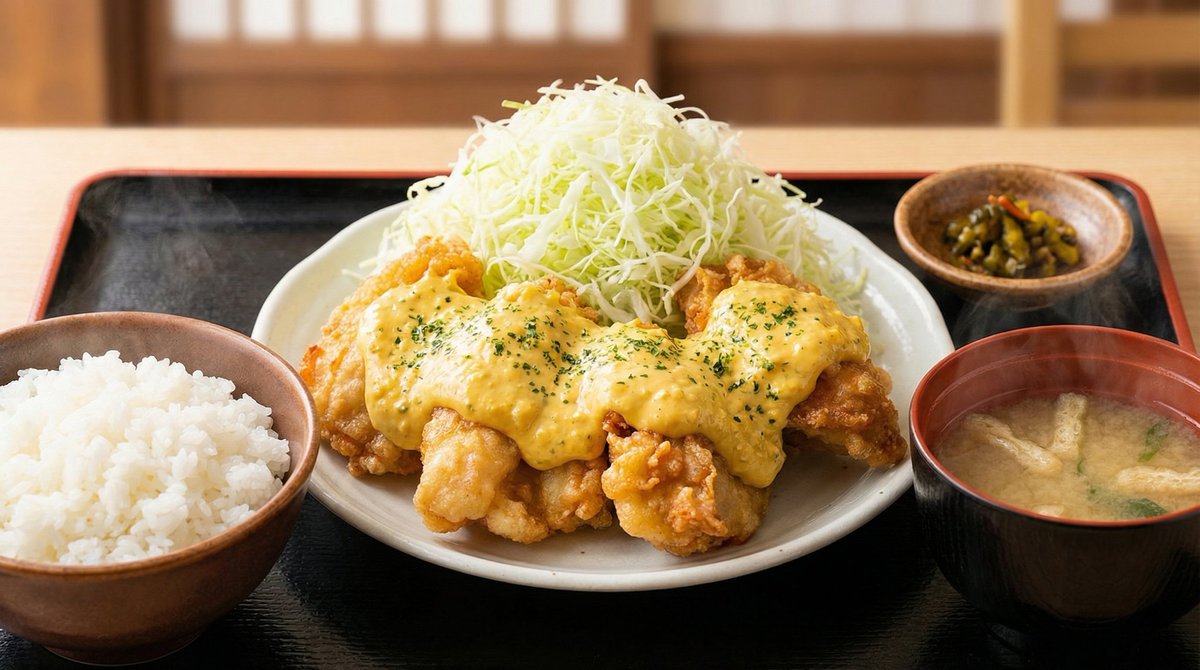
You can find the full prompt here: ✨Prompt✨
What I discovered was a game-changer for creators and restaurant owners alike. This AI prompt reimagines my photos by maintaining the true shape, color, and texture of each dish but elevates them to what looks like professional food photography. Instead of needing a food photographer, AI handled everything from optimal angles to lighting and background refinement.
The Subtle Art of Visual Flavor
The AI didn’t just slap on filters. It carefully adjusted the angle to a natural 45-degree tilt or a clean overhead flat lay, whichever brought out the dish’s best features. Each composition was thoughtfully balanced so that the food was undeniably the star, framed by elegant, minimalistic backgrounds that reminded me of high-end restaurant ads.
Lighting felt warm and natural—like soft daylight spilling gently across the plate. Highlights were cozy and inviting, shadows soft and subtle, avoiding the harsh contrasts that amateur shots often suffer from. Colors popped without looking oversaturated; skin tones and food textures gained a realistic vibrancy that made me almost taste the dishes through the screen.
Details That Make the Difference
- Texture enhancement: The AI boosted the surface details, making steam, gloss, and crisp edges stand out with a light sharpening effect.
- Background cleanup: Clutter vanished, replaced by classy bokeh or simple backdrops that drew the eye directly to the food.
- Color correction: The white balance was fine-tuned to remove dullness, resulting in a warm, natural palette that felt both modern and timeless.
For those running food businesses, this means you can upload your basic photos and get images fit for Instagram campaigns or menu updates without a costly photoshoot. For creators like me, it opened a new door to producing high-quality food visuals that attract engagement and tell a richer story.
Of course, like any AI tool, prompt adjustments are key to avoid over-processing or losing authenticity. The balance here was perfect—realistic yet refined, capturing the essence and appeal of the dishes without making them look artificial.
If you’re curious about how to use prompt-driven AI for food photography or want tips on image generation, exploring this approach is a must. It’s a powerful example of how text to image tools can transform creative workflows.
For more inspiration, check out related topics like AI art creator and image generation to see how these technologies are shaping visual content creation.