A Surreal Encounter with Scale and Reality
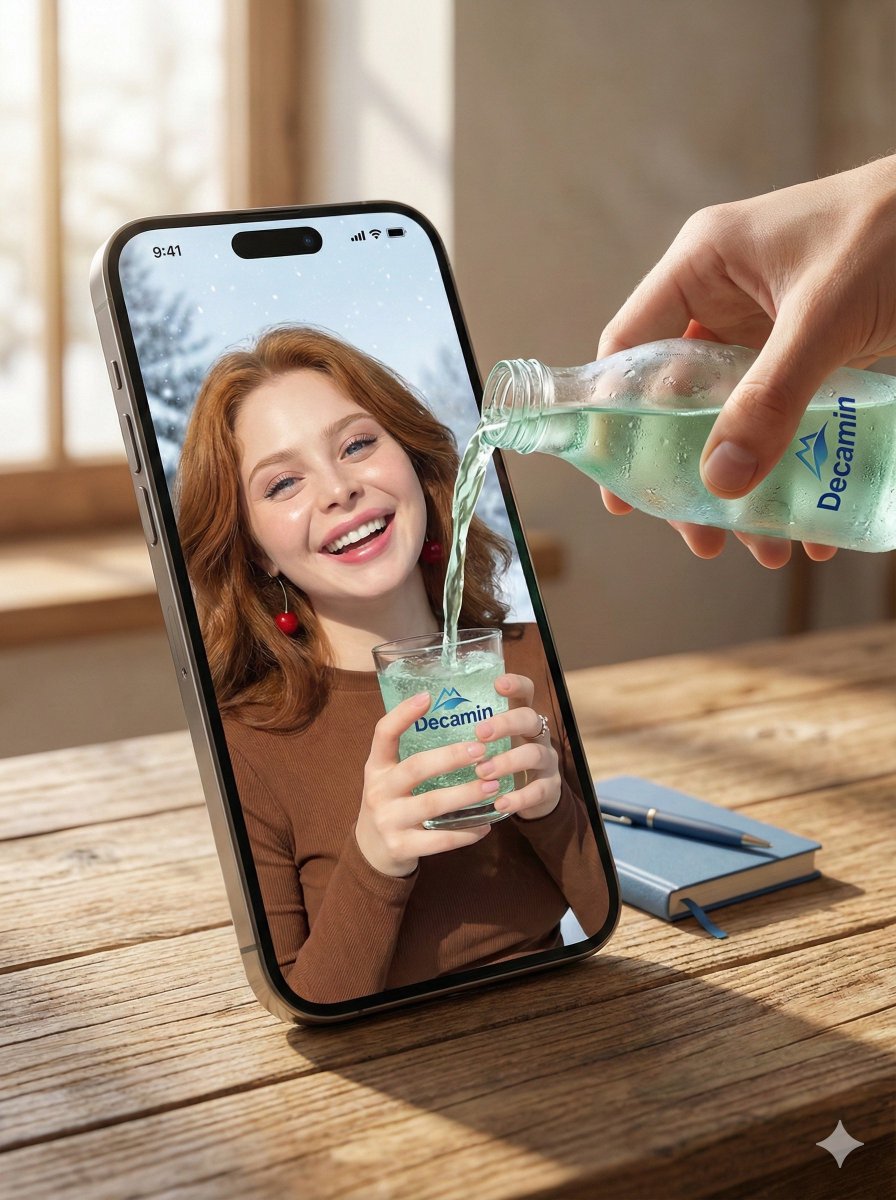
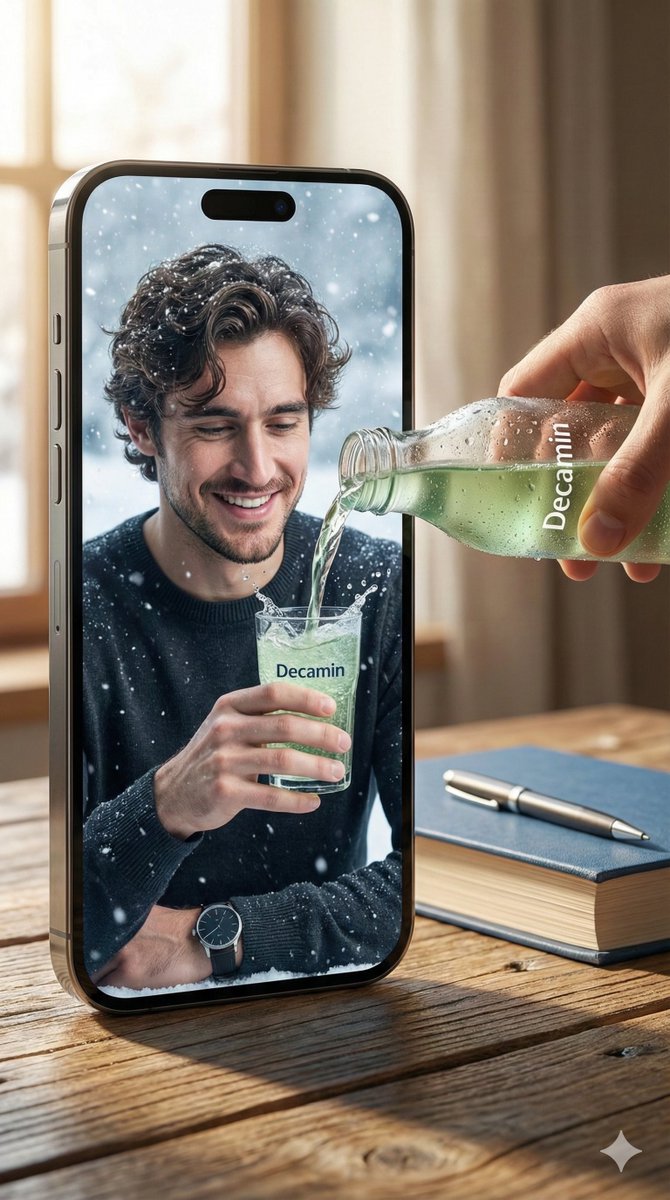
Recently, I dove into creating a hyper-realistic image featuring a massive iPhone 17 Pro Max dominating a warm wooden table. The scale disparity was immediately eye-catching: the phone felt like a monolith compared to the miniature blue book and pen resting nearby. This composition style—a composite portrait shot from a high angle—gave me a fresh perspective on visual storytelling through AI-generated art.
You can find the full prompt here: ✨Prompt✨
The Magic of Trans-Dimensional Fluid
One of the most fascinating aspects of this scene was the surreal bridge event where a real human hand pours chilled, light green water from a bottle labeled "Decamin". The condensation on the bottle added a tactile realism. What blew me away was how this liquid, upon touching the phone’s screen, seamlessly transitioned into the digital realm—filling an empty glass displayed on the screen. The screen acted as a permeable membrane, bending physics rules yet maintaining hyper-realistic fluid detail with no splash or surface tension.
This interaction felt cinematic and magical, capturing a moment where the physical and digital worlds blur. The lighting was soft and warm, with natural light casting diffused shadows that enhanced the textures of the wood grain and skin.
Visual and Technical Insights
- Using a high-angle viewpoint tightly framed on the oversized iPhone amplified the surreal scale difference, making the scene feel immersive.
- Focusing on texture details—like the worn wood surface, condensation on the bottle, and skin texture of the hand—added to the realism despite the fantastical concept.
- The fluid simulation was sharp and visually convincing, crucial for selling the physics-defying pour into the digital glass.
- Balancing warm natural light helped unify the real and digital elements, creating a cohesive mood.
For creators exploring text to image AI, this prompt offers valuable lessons on prompt adjustments—especially how specifying scale, lighting, and interaction details can elevate the final artwork. Avoiding common prompt mistakes like vague object descriptions or inconsistent lighting is key to such compelling composites.
Overall, this project expanded my understanding of how to use prompt-driven image generation to blend real-world textures with surreal digital concepts, pushing the boundaries of what AI art creators can achieve.
Explore more about AI image generator, text to image, and image generation to refine your own surreal creations.