Recently, I experimented with an AI prompt that transforms ordinary photos into hyper-realistic marble sculpture avatars inspired by classical Greco-Roman statues. The goal was to capture the essence of timeless artistry—precisely chiseled features, subtle imperfections, and natural marble textures that feel alive despite being stone.
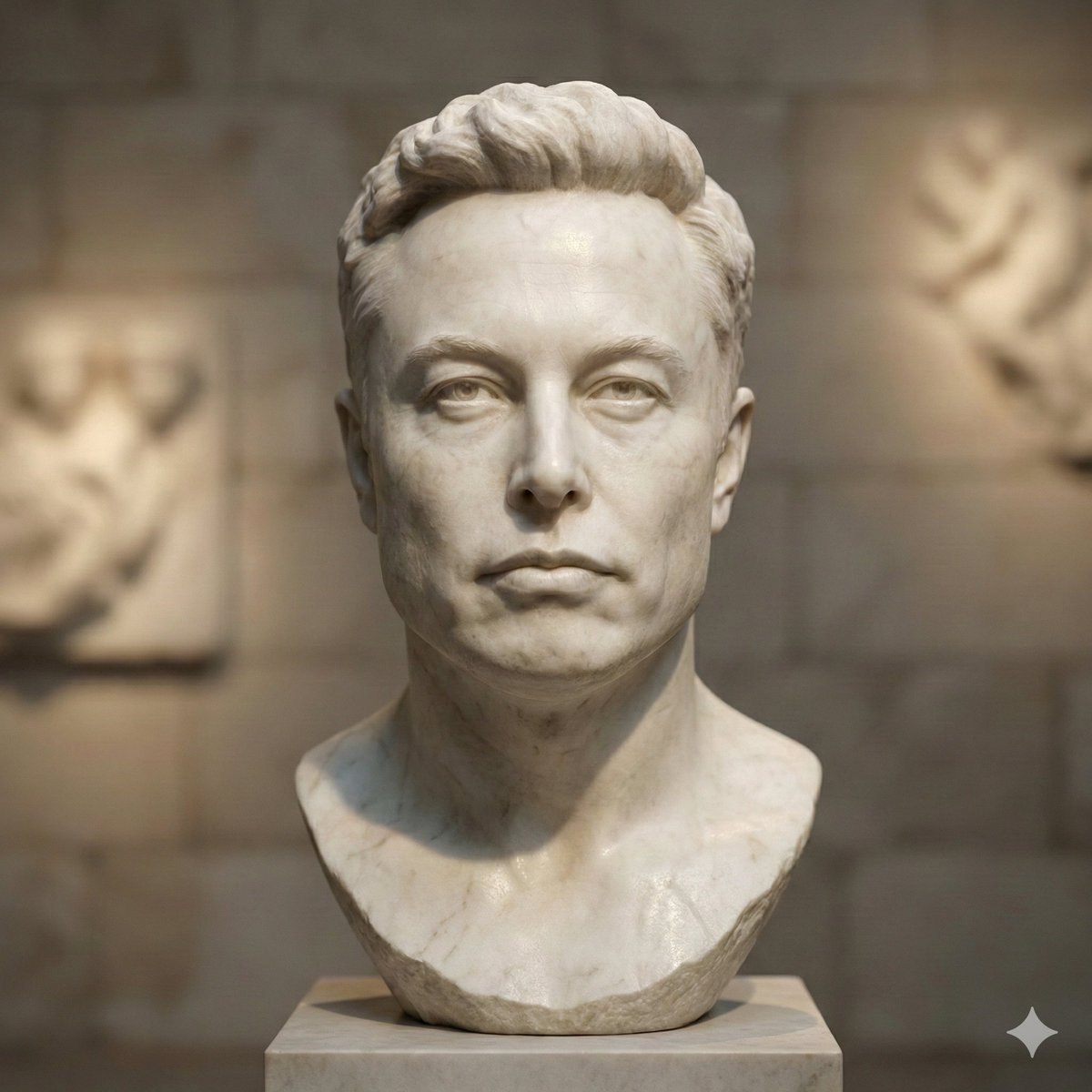
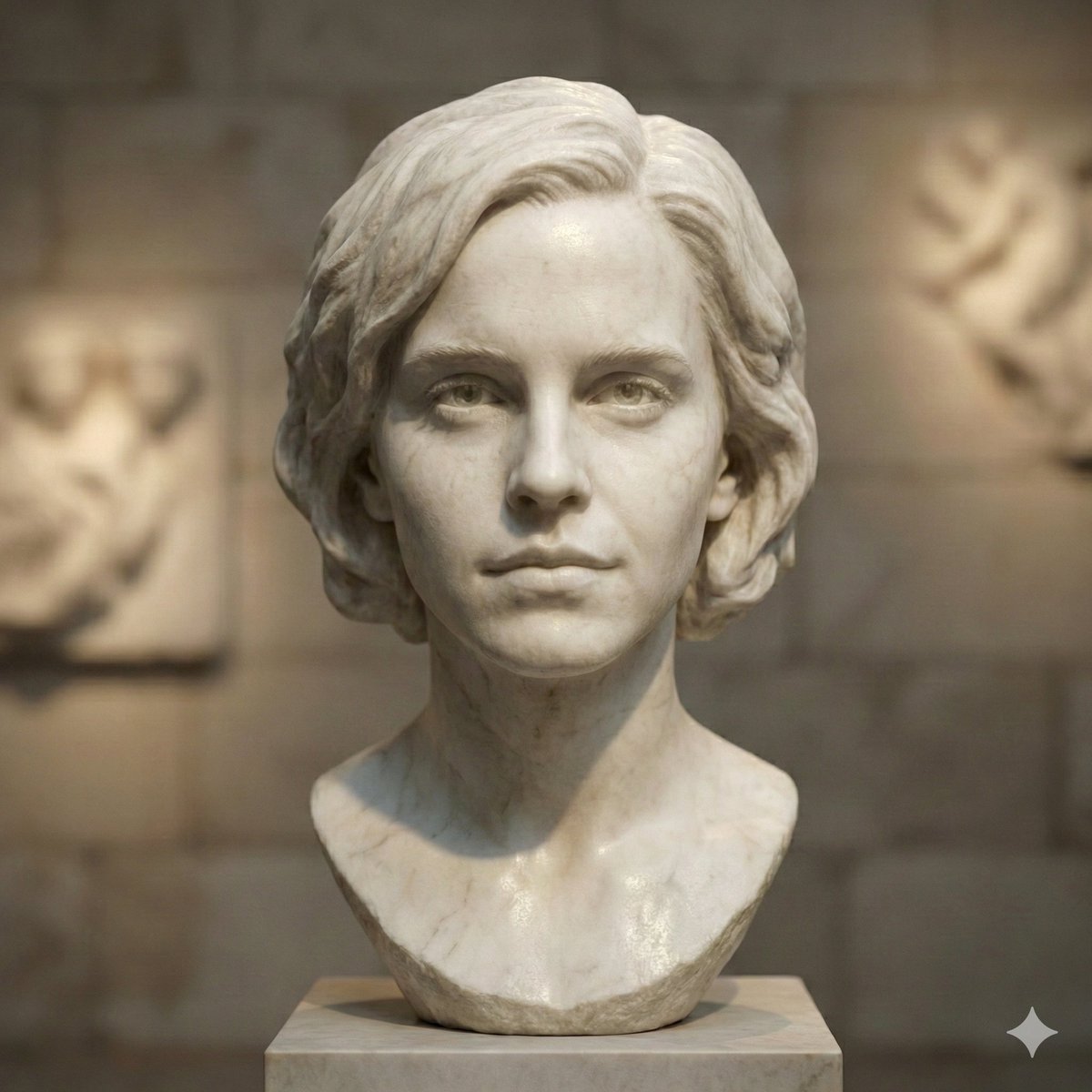
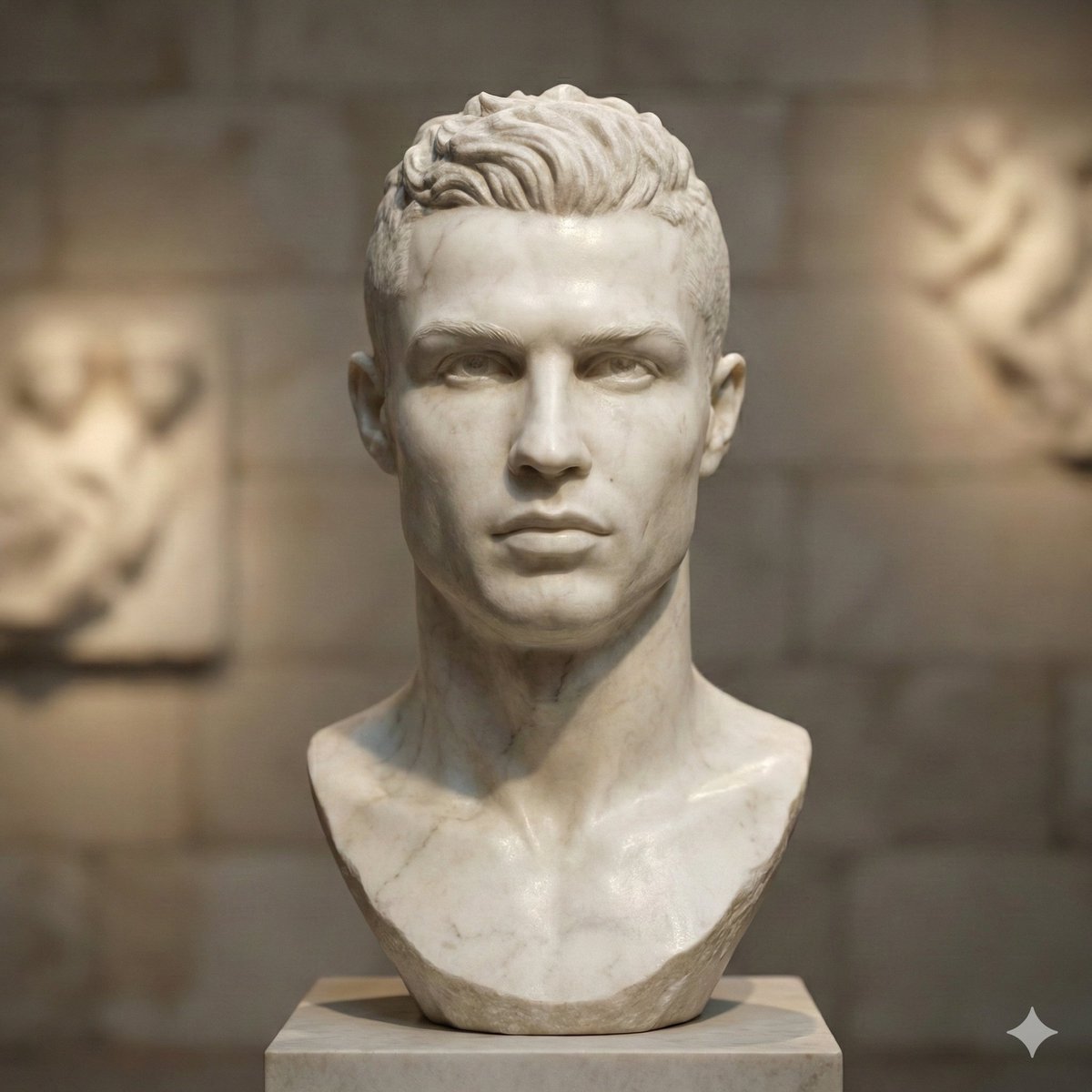
The results were stunning. The AI managed to replicate the fine veins and grain of marble with such authenticity that the avatar felt like it belonged in a museum gallery. The sculpting marks and slightly weathered surface added character, avoiding that overly polished, artificial look that often plagues digital sculptures.
What really stood out was the soft, directional lighting. It cast gentle shadows that enhanced the depth and contours of the face, creating a cinematic realism that made the statue portrait feel both premium and intimate. The neutral background with shallow depth of field helped keep the focus solely on the sculpture, amplifying that elegant, fine-art atmosphere.
For creators curious about text to image AI, this prompt is a great example of how detailed instructions can push image generation tools to produce ultra-high resolution, museum-quality results. It’s a reminder that prompt adjustments—like specifying lighting style, texture details, and aspect ratio—make all the difference in achieving the desired visual mood.
One practical insight from this project: don’t overlook subtle imperfections in your prompt. Those small details—weathered surfaces, natural stone veins—bring realism that elevates your AI art from just good to truly captivating.
If you want to explore similar styles or create your own Greco-Roman inspired avatars, you can find the full prompt here: ✨Prompt✨
For more inspiration and tools, check out AI image generator and AI art creator platforms that specialize in text to image technology. Experimenting with different prompt tweaks can unlock new creative possibilities and help you master prompt by style or prompt by visual mood approaches.