When I first encountered the concept of an absolute face lock in AI image generation, I was intrigued by the promise: create portraits with 100% facial identity preservation. No beautification, no smoothing, no stylization—just pure photographic fidelity to the source image. I decided to put it to the test using an AI platform supporting text to image generation.


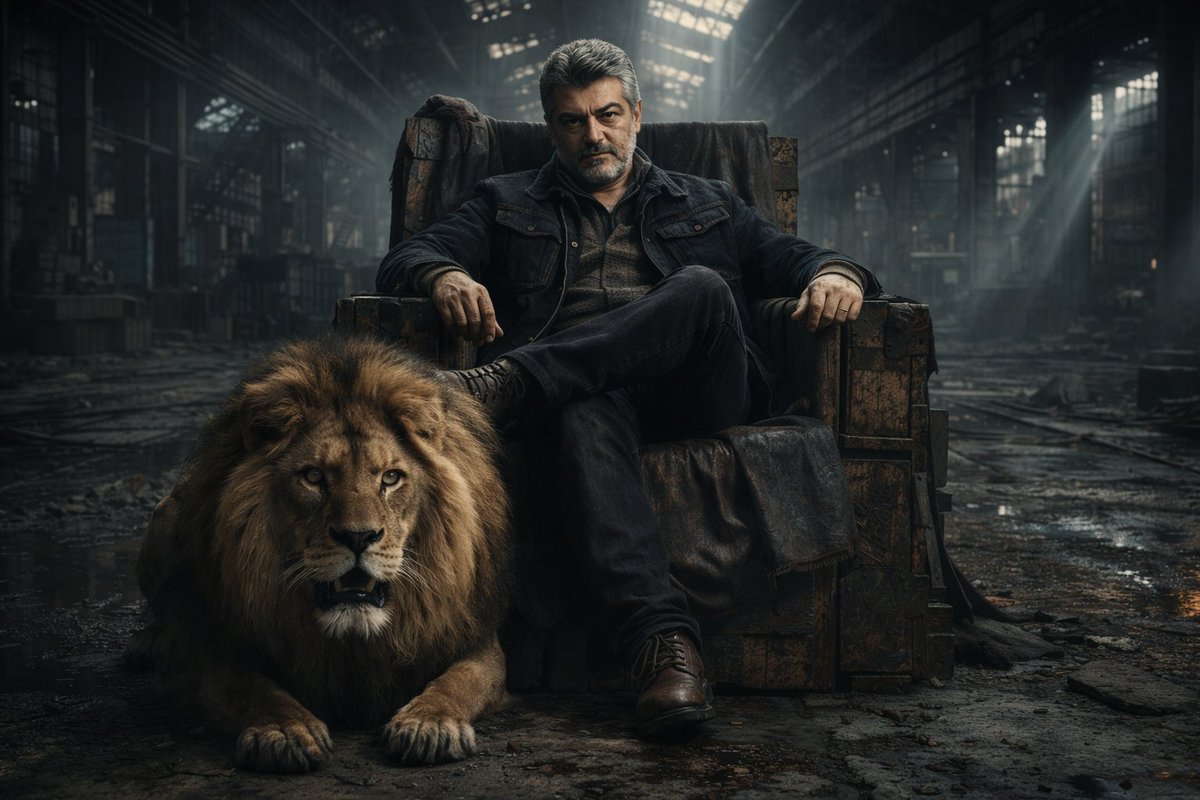
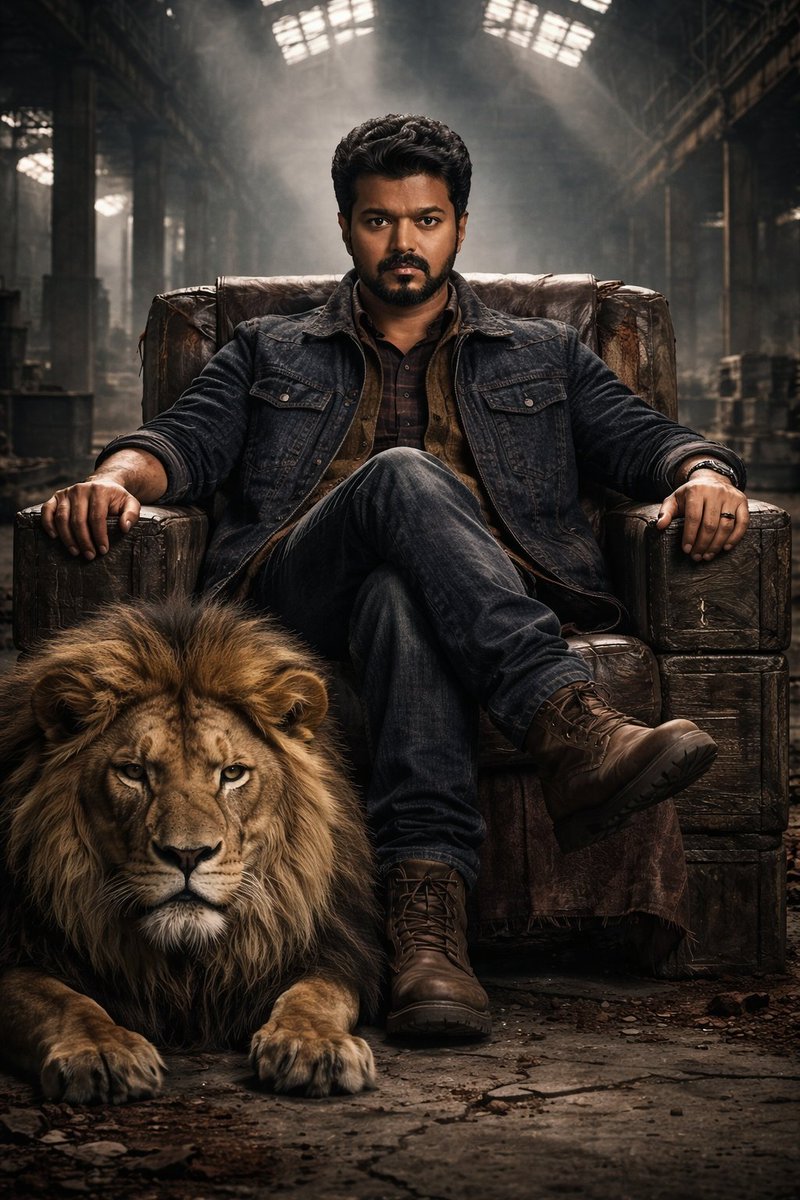
The prompt was uncompromising. It demanded that the AI use the uploaded photo as the only facial source. Every detail—from bone structure to pores, from hairline to gaze—had to be identical. The AI was forbidden to alter or idealize the face in any way. The result was a subject who looked like they had been captured in a forensic photograph, frozen in time with no artistic interpretation whatsoever.
Visually, the scene was set inside a vast, abandoned steel mill turned brutalist command center. The cinematic style was ultra-realistic, shot with a virtual 35mm anamorphic lens that captured deep shadows and God-rays cutting through shattered skylights. The gritty environment—rusted I-beams, cracked concrete floors stained with oil and dust—added an intense, moody atmosphere.
At the center sat a mafia kingpin, perfectly matching the uploaded reference in every facial detail. His posture—legs crossed, one arm resting casually—exuded silent authority and menace. The heavy raw-denim jacket, flannel shirt, and quilted canvas vest looked tactile and worn, emphasizing utilitarian luxury. At his feet crouched a male lion, its dense mane contrasting sharply with the cold industrial setting, claws digging into crumbling concrete.
This prompt was a lesson in prompt adjustments and the importance of specifying what not to do. The strict prohibition of smoothing, morphing, or enhancing meant the AI had to focus entirely on image generation with forensic precision. It was fascinating to see pores, skin micro-textures, and even imperfections rendered in extreme 8K hyper-realism.
From this experience, I realized how vital it is to be explicit in AI prompts when you want to preserve identity. Many creators unknowingly allow AI to alter faces, resulting in images that drift from the original subject. This absolute face lock prompt shows how to use AI as a tool for truthful photographic representation rather than creative reinterpretation.
If you want to experiment with this style, remember to avoid common prompt mistakes like vague descriptors or allowing beautification filters. Instead, be direct and clear about preserving every facial detail exactly. This approach is perfect for projects requiring identity accuracy, such as forensic art, archival portraits, or hyper-realistic character studies.
You can find the full prompt here: ✨Prompt✨