Discovering the Nano Banana Pro Through Visual Storytelling
When I first encountered the idea of a vehicle biography for the Nano Banana Pro, I was instantly drawn to the concept of blending history with high-impact visuals. This wasn’t just a car—it was a story told across time, materials, and environments. Using AI image generation, I created a layered, multi-section visual that captures the essence of this iconic vehicle.


You can find the full prompt here: ✨Prompt✨
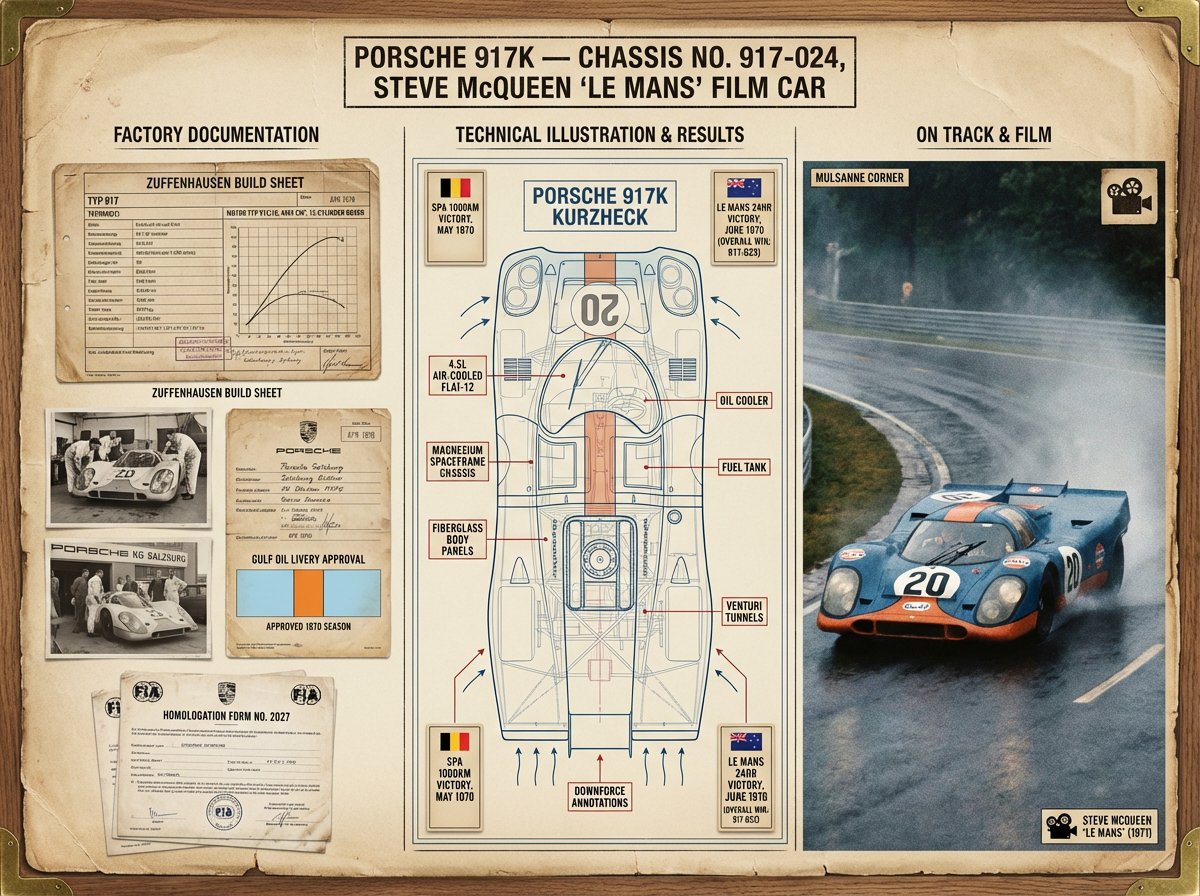
The left section of the composition acts like a historian’s archive wall. It features factory documentation such as the original specification sheet, black-and-white production line photos, vintage advertisements, and a meticulous chassis number registry. The aged cream background here gives a nostalgic feel, like flipping through an old dossier.
Moving to the center, the technical heart of the piece unfolds. A precise phantom view of the powertrain reveals the engineering marvel beneath the sleek bodywork. Suspension geometry lines and aerodynamic notes hover around the illustration, providing insight into the vehicle’s performance design. Surrounding this technical drawing are snippets of period racing results and ownership provenance, grounding the machine’s story in real-world achievement and legacy.
Finally, the right section bursts into life with a saturated, motion-filled shot of the Nano Banana Pro in its defining environment—whether that’s a twisty mountain pass or a classic boulevard. The period-appropriate color grading ties the image back to the era, making it feel like a moment frozen in time yet full of energy.
What made this project especially rewarding was seeing how the visual style transitions smoothly from archival cream, through crisp engineering illustrations, to vivid automotive photography. This progression mirrors the vehicle’s journey from blueprint to legend.
Using AI for text to image image generation allowed me to experiment with prompt adjustments that balanced historical accuracy with artistic flair. I learned that including detailed descriptors like “phantom view” and “aerodynamic annotations” helped the AI capture the technical depth I wanted, while specifying “period-appropriate color grading” ensured the final image had authentic vintage vibes.
For creators looking to dive into similar projects, I recommend focusing on clear prompt structuring and layering visual moods. Avoid vague terms—specificity is key to getting a rich, cohesive image. Also, having a clear narrative in mind helps the AI craft images that feel connected rather than disjointed.
If you want to explore AI art creation with a focus on vehicles or historical subjects, this kind of prompt by style and use case really opens doors. It’s a fantastic way to blend documentation with dynamic visuals in one compelling piece.
Explore more about AI image generator tools and image generation techniques to elevate your content. Whether you’re capturing the spirit of a classic car or creating futuristic concepts, AI-powered text to image creation can bring your vision vividly to life.