Discovering Hidden Universes Inside a Nano Banana
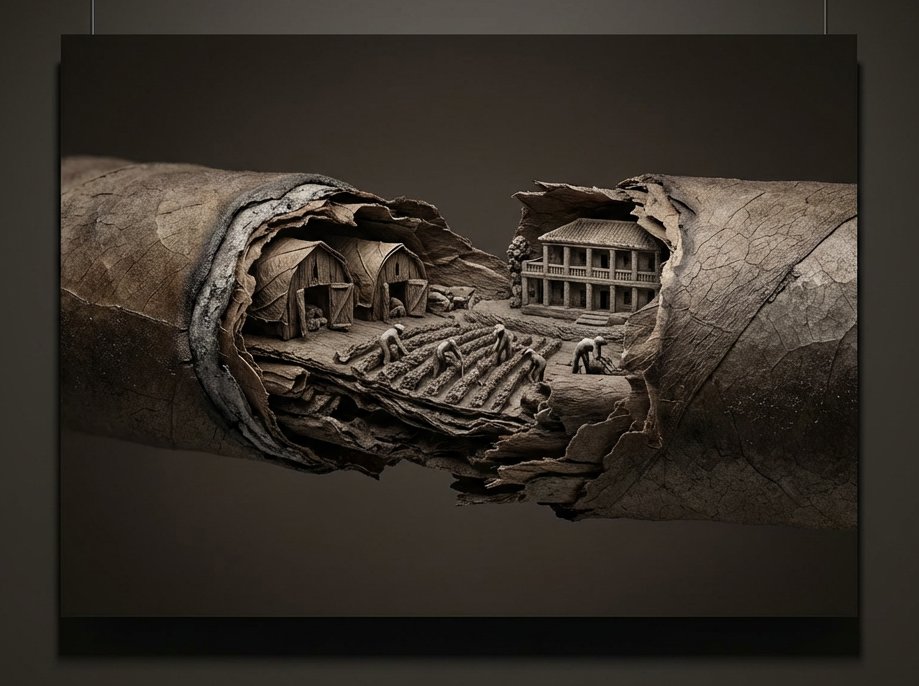
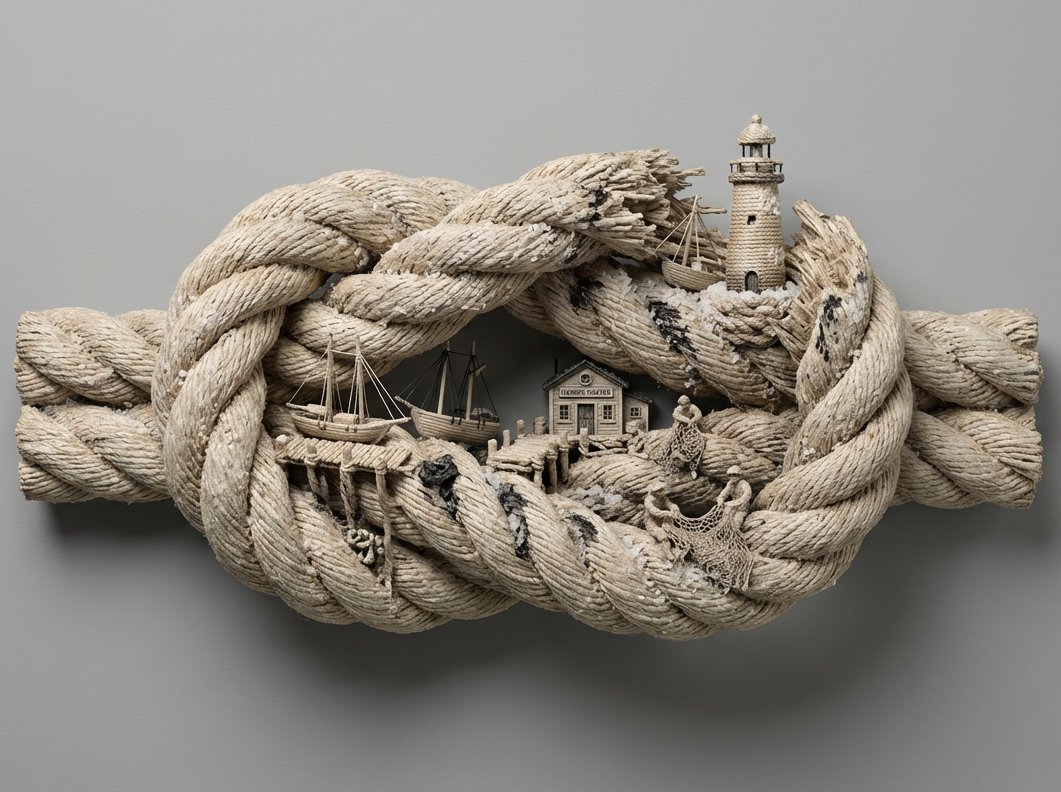
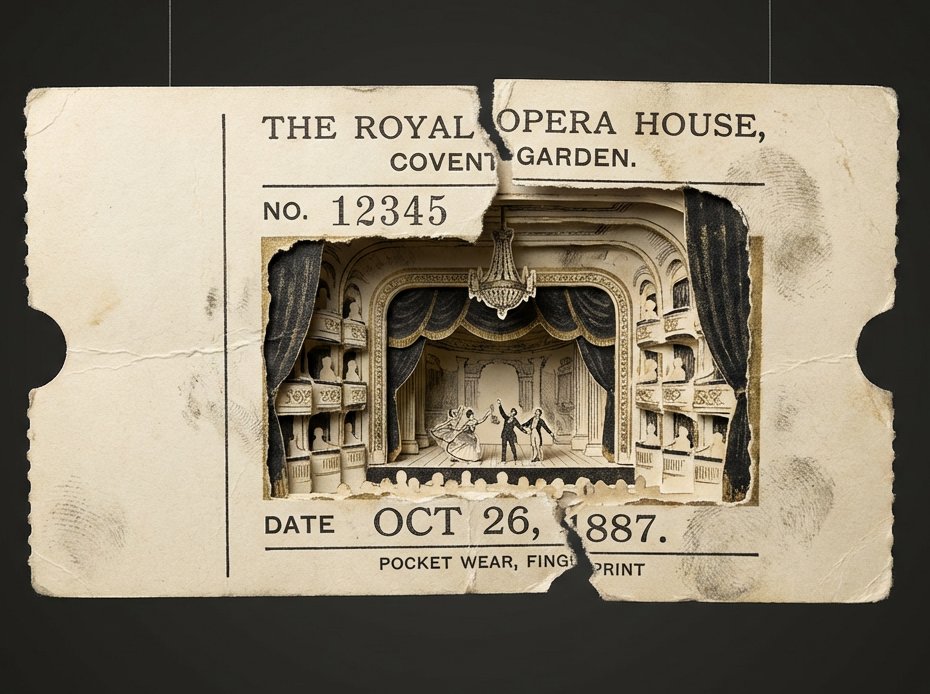
When I first encountered the concept of a Nano Banana Pro Miniature Reveal prompt in Firefly, I was instantly drawn to the idea of capturing a single object frozen in time as it fractures open, unveiling an entire inner world carved from its own material. The challenge was to create an image that felt both hyper-realistic and artistically profound—something that could hang in a gallery as a poster and invite viewers to peer into a tiny, intricate universe.

You can find the full prompt here: ✨Prompt✨
What fascinated me most about working with this AI prompt was how it demanded a balance between complexity and minimalism. The exterior of the banana remains pristine and untouched, resting in neutral negative space with museum-grade lighting that highlights every micro-texture, subtle wear, and aging detail on its skin. But the real magic happens inside the fracture—a miniature world constructed entirely from the banana’s own material, arranged with spatial logic and architectural rhythm.
This internal microcosm is a stunning example of how AI image generation can push the boundaries of visual storytelling. The fracturing reveals layers of repeating patterns, cavities, and emergent structures that feel organic yet meticulously designed. It’s like viewing a hyper-detailed 3D bas-relief fused with a fine-art poster, where every tiny groove and surface imperfection contributes to the realism.
What I Learned About AI Prompting and Visual Creation
Using Firefly’s AI image generator for this project taught me a lot about prompt adjustments and how crucial it is to specify material realism and lighting details for dramatic effect. I realized that emphasizing monochrome or a tightly controlled palette derived from aged tones really helps maintain focus on texture and form without overwhelming the viewer.
One common prompt mistake I noticed was overloading the description with too many conflicting details, which led to cluttered or less coherent images. The best results came from clearly defining the object, its material, and the internal structures while keeping the exterior minimalistic and clean.
Why This Matters for Creators
This approach opens new doors for creators interested in text to image workflows, especially those fascinated by blending scientific precision with artistic expression. Whether you’re designing a gallery poster or exploring visual moods that evoke curiosity and wonder, prompts like this demonstrate how AI art creators can craft deeply layered, realistic images that tell a story within a single frame.
For anyone experimenting with image generation, I recommend focusing on how internal details can contrast with minimal exteriors to create visual tension and invite closer inspection. It’s not just about creating pretty pictures but about how to use prompt language to guide the AI towards meaningful complexity.