Discovering the Magic of Ingredient Orbit Shots
As a content creator obsessed with food visuals, I constantly seek fresh ways to make my shots pop. When I came across the idea of an ingredient orbit shot, I was instantly intrigued. The concept is simple yet captivating: a perfectly styled dish sits centered, while raw ingredients, herbs, spices, and sauces seem to float and orbit around it in mid-air. It’s controlled chaos that brings the image to life.
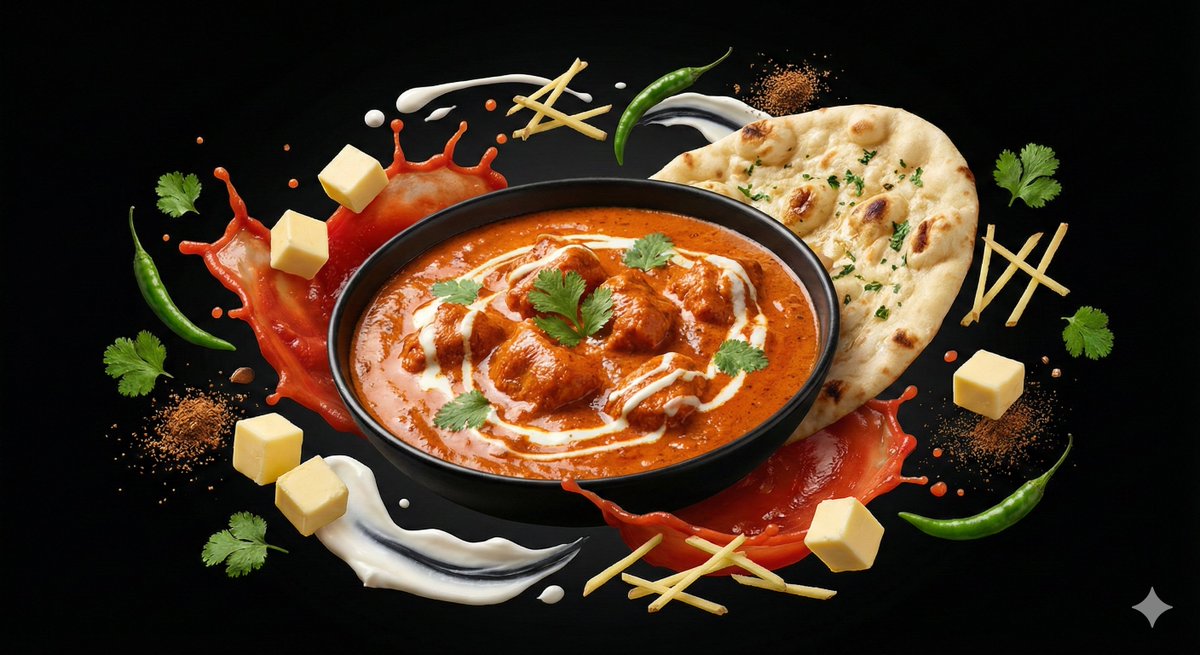


The prompt I used to generate these images was inspired by the Gemini Nano Banana Pro style, which emphasizes studio lighting with soft highlights against a dark background. This contrast really makes the floating ingredients stand out, giving the shot a modern food ad photography vibe. The ultra-real, hyper-detailed approach made every herb leaf and spice grain visibly textured, which added so much depth.
Why This Visual Style Elevated My Work
Before trying this style, my food photos felt static and flat despite great plating. The orbit shot introduced movement and a story—each ingredient’s presence hints at the recipe’s layers and flavors. It’s almost like you can smell the herbs and taste the spices just by looking.
Using AI for this text to image creation helped me experiment with various ingredient arrangements quickly. I could tweak the prompt to emphasize certain herbs or highlight sauces as they floated, refining the controlled chaos until it felt just right.
Tips and Insights on Crafting Your Own Ingredient Orbit Shots
- Focus on balance: Too many ingredients can clutter the frame; choose complementary herbs and spices that enhance the main dish visually and conceptually.
- Lighting matters: Soft studio lighting with subtle highlights creates dimension and helps the floating elements pop against a dark background.
- Control your chaos: While it’s meant to look dynamic, the orbiting ingredients should feel intentional—each element has a purpose and place.
- Prompt adjustments: Experiment with adjectives like “hyper-detailed,” “ultra-real,” and “modern food ad photography” to achieve crispness and style.
One common prompt mistake I noticed is overloading the description with too many effects, which can confuse the AI and produce cluttered images. Keeping it focused on the key elements—styled food, orbiting ingredients, lighting style—yields the best results.
Final Thoughts
This ingredient orbit shot style breathed new life into my food content. It’s an excellent example of how AI prompt engineering can elevate visual storytelling in culinary art. Whether you’re a food blogger, marketer, or AI art creator, this technique adds that wow factor that draws viewers in.
You can find the full prompt here: ✨Prompt✨
Explore more about AI image generator tools and how to refine your AI prompt to create stunning food imagery that captures attention and tells a story.