Recently, I dove into creating a Nano Banana Pro designer presentation board using Firefly’s AI image generation capabilities. The goal was to capture the essence of an expert industrial designer’s layout — a sleek, museum-grade showcase combining 2D black-and-white technical drawings, exploded axonometric diagrams, and photorealistic 3D renders.
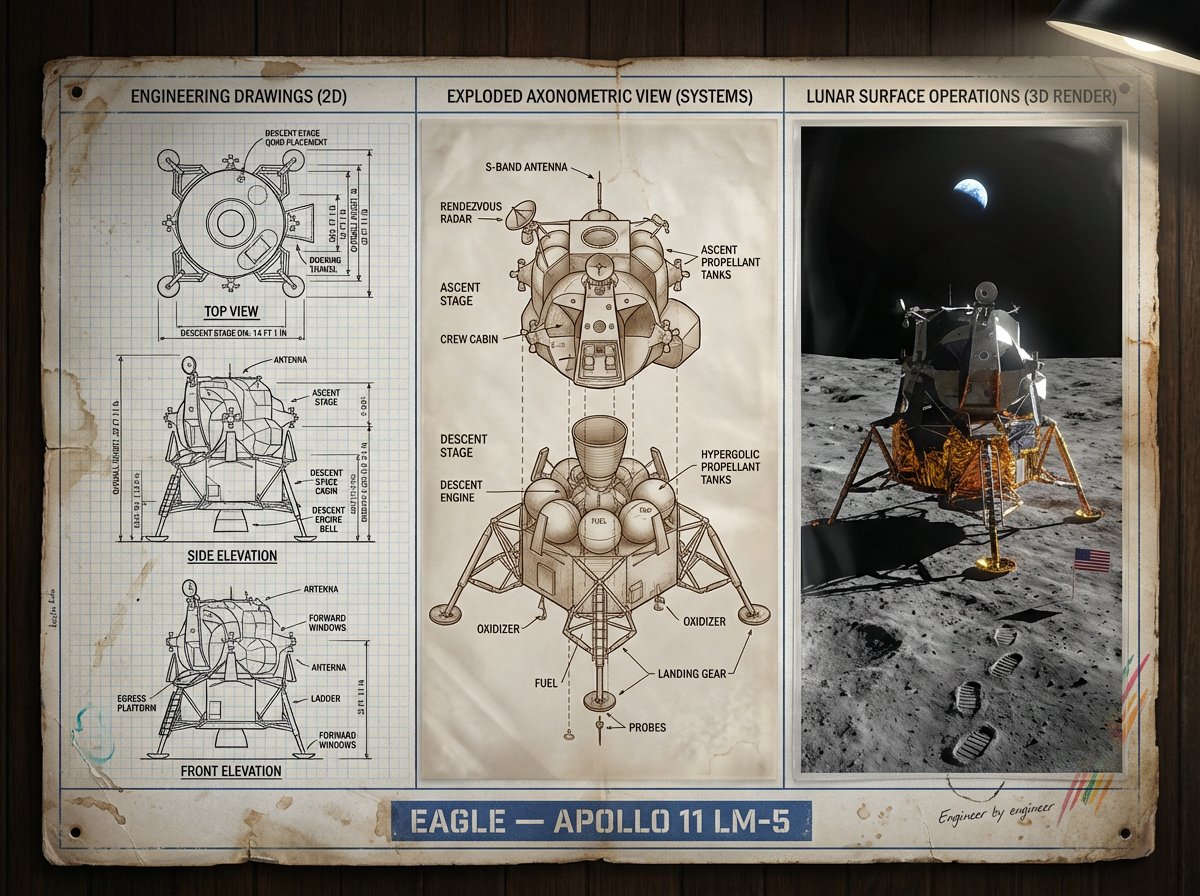


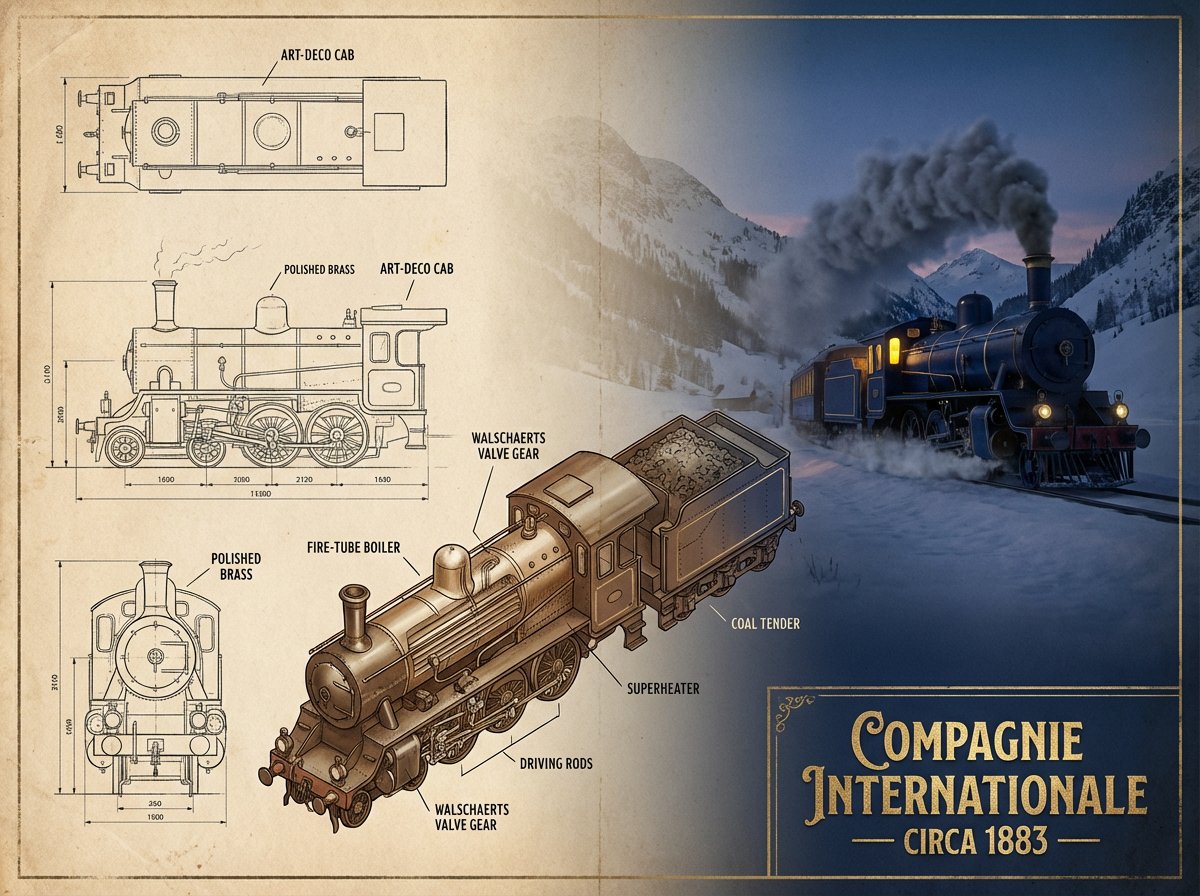
The left side featured precise 2D technical drawings with clean annotations and dimensions. These felt almost archival, reminiscent of classic engineering blueprints, but stripped down to pure black and white for clarity. Centered was an exploded axonometric diagram that revealed the Nano Banana Pro's key internal components, materials, and assembly — this part added a layer of depth and intrigue, showing the design’s complexity without overwhelming the viewer.
On the right, a photorealistic 3D render placed the device in an iconic environment with carefully crafted lighting and atmosphere. The transition from the technical monochrome tones on the left to the rich, emotional color palette on the right created a compelling visual narrative. It felt like the presentation was guiding you from concept to reality seamlessly.
What truly impressed me was how Firefly handled the ultra-detailed cinematic realism. The lighting effects and subtle motion details gave the render an almost tangible presence, perfect for a high-stakes design pitch or museum display. The clean grid layout held everything together, complemented by a crisp title block reading "Nano Banana Pro — Designer Presentation 2024".
Working with this AI prompt taught me valuable lessons about balancing technical detail with emotional appeal in visual storytelling. Adjusting prompt parameters to emphasize different elements — like boosting annotation clarity or enhancing material textures — helped me fine-tune the output. I also realized that avoiding overly complex instructions kept the AI focused and prevented muddled visuals.
If you’re interested in exploring similar projects, experimenting with text to image AI tools like Firefly can open new creative doors. For me, this was more than just image generation; it was about crafting a layered narrative through visuals.
You can find the full prompt here: ✨Prompt✨
For more inspiration, check out AI image generator resources and tips on text to image workflows. Also, exploring how an AI art creator can enhance your design presentations might be a game-changer.