From Simple to Monumental: My AI Visual Experiment
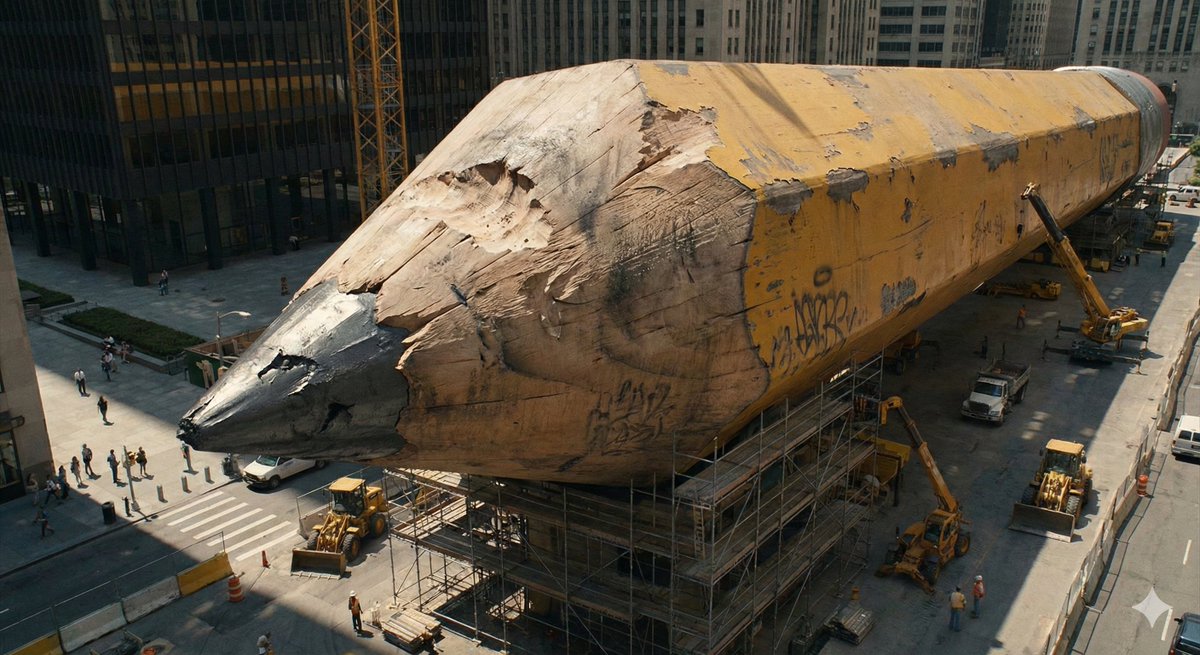
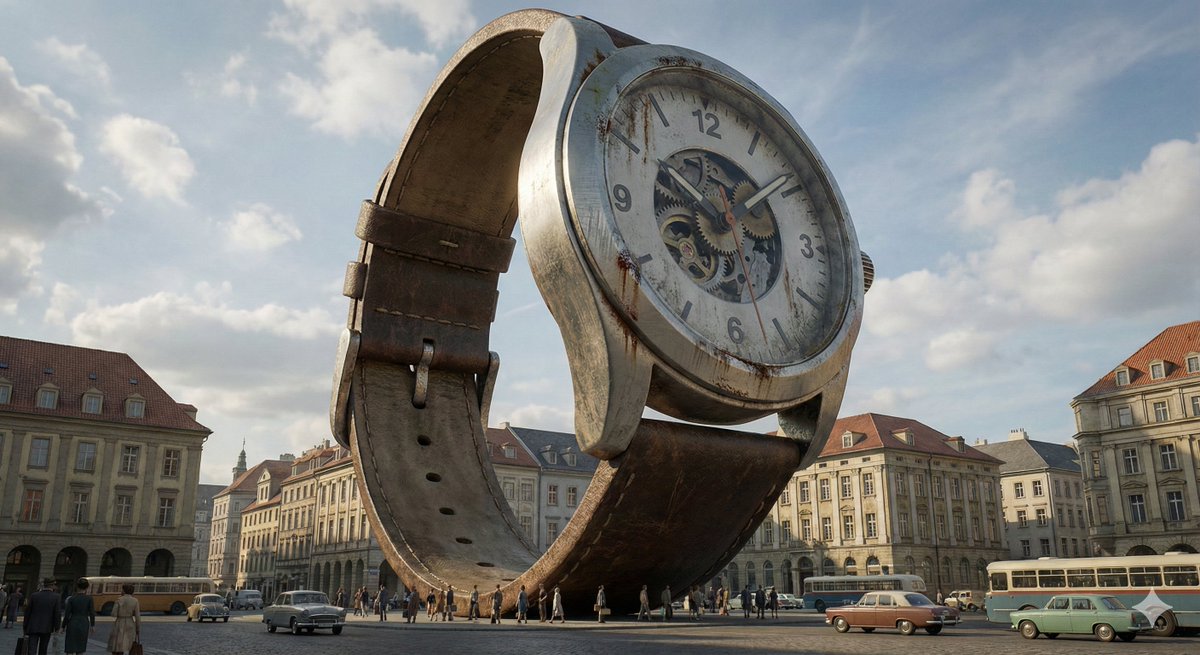
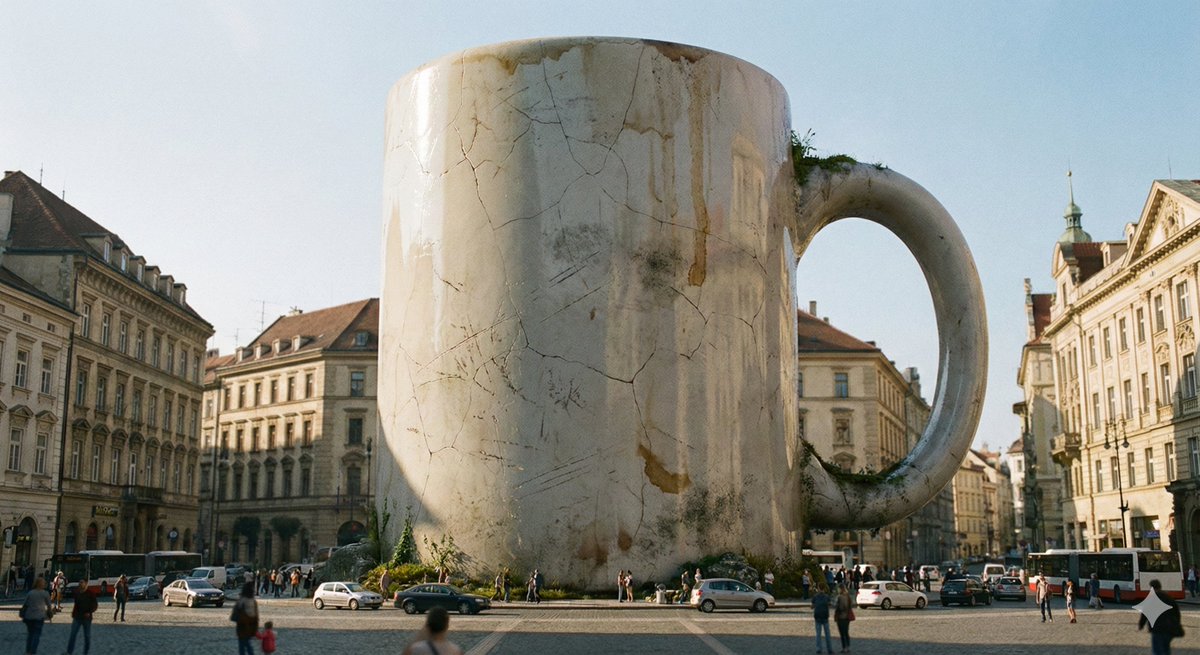
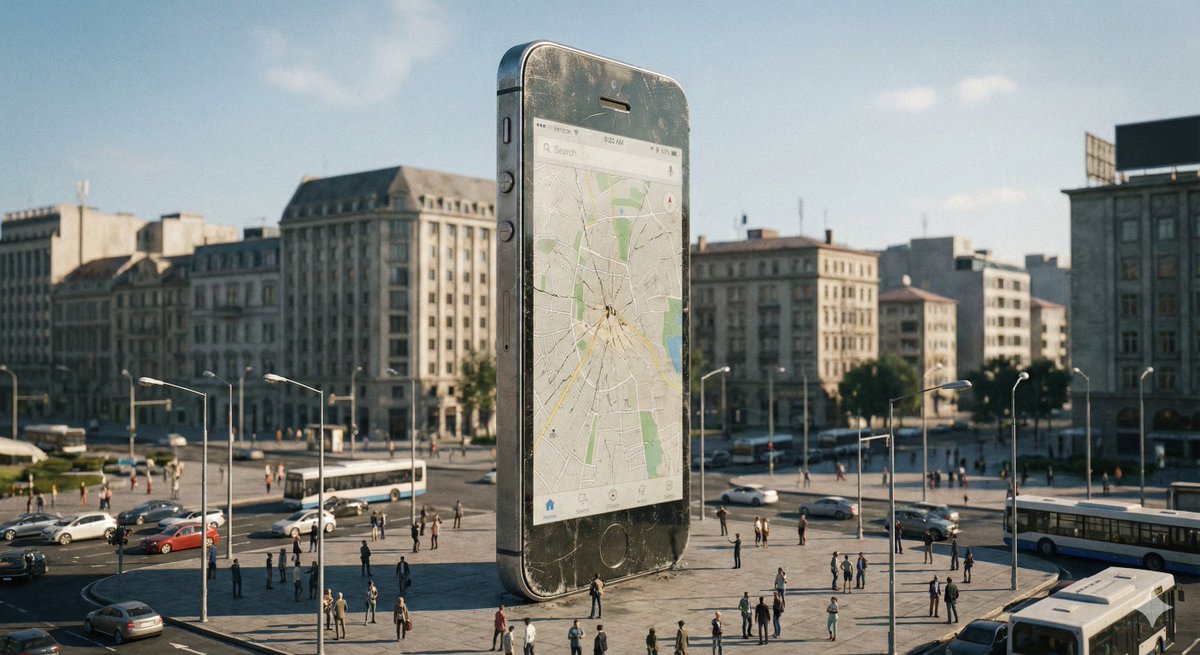
Recently, I dove into a fascinating AI prompt that challenged me to see the mundane through a monumental lens. The idea was to transform an ordinary object—something you might overlook daily—into a massive real-world monument. The results blew me away, and it completely changed how I think about scale and detail in AI-generated art.
The prompt I used focused on making the surface materials physically accurate, with visible wear, scratches, dust, and other signs of real-world aging. To add to the realism, the scenes included scale references like people and vehicles, shot from a low-angle cinematic perspective under realistic daylight. This setup gave the objects a sense of grandeur and presence, making them feel as solid and imposing as actual monuments.
You can find the full prompt here: ✨Prompt✨
What Made This Approach Unique
What really stood out was the ultra-detailed textures. For example, the AI didn't just slap a banana skin onto a giant scale; it rendered every tiny scratch, every smudge of dust, and the subtle imperfections that make real-world materials believable. The inclusion of people and cars in the frame added an essential point of reference—I could immediately grasp the monument's size.
Shot from a low-angle, the visuals had this cinematic vibe, like scenes from a movie where everyday objects become the backdrop for an epic story. The daylight setting gave a natural feel, avoiding the artificial glow that sometimes makes AI images look less authentic.
Lessons Learned & Practical Insights
- Prompt Adjustments: Adding specifics like “visible wear,” “scratches,” and “dust” made a huge difference in realism.
- Scale References: Including people and vehicles helped communicate size instantly.
- Perspective Matters: The low-angle shot gave the object monumentality and drama.
- Material Accuracy: Ensuring the surface looks physically possible avoids the uncanny valley effect.
Why You Should Try This
If you want to push your AI art beyond simple object generation, this kind of prompt is a game-changer. It teaches you how to think about scale, texture, and storytelling through visuals. Whether for personal projects or client work, it adds a new layer of depth and realism that viewers appreciate.
For those curious about exploring similar ideas, experimenting with text to image generators and tweaking your AI prompts with these tips can lead to spectacular results. I recommend trying different everyday objects and seeing how the AI interprets them as colossal monuments.