From Comic to Cinematic Reality
As a content creator constantly fascinated by AI's capacity for visual transformation, I recently tackled an intriguing challenge: converting a beloved comic character into an ultra-realistic human portrait. The goal was to retain the original hairstyle, outfit, facial expression, and the essence of the character, while pushing the boundaries of realism through a cinematic smartphone photography style.
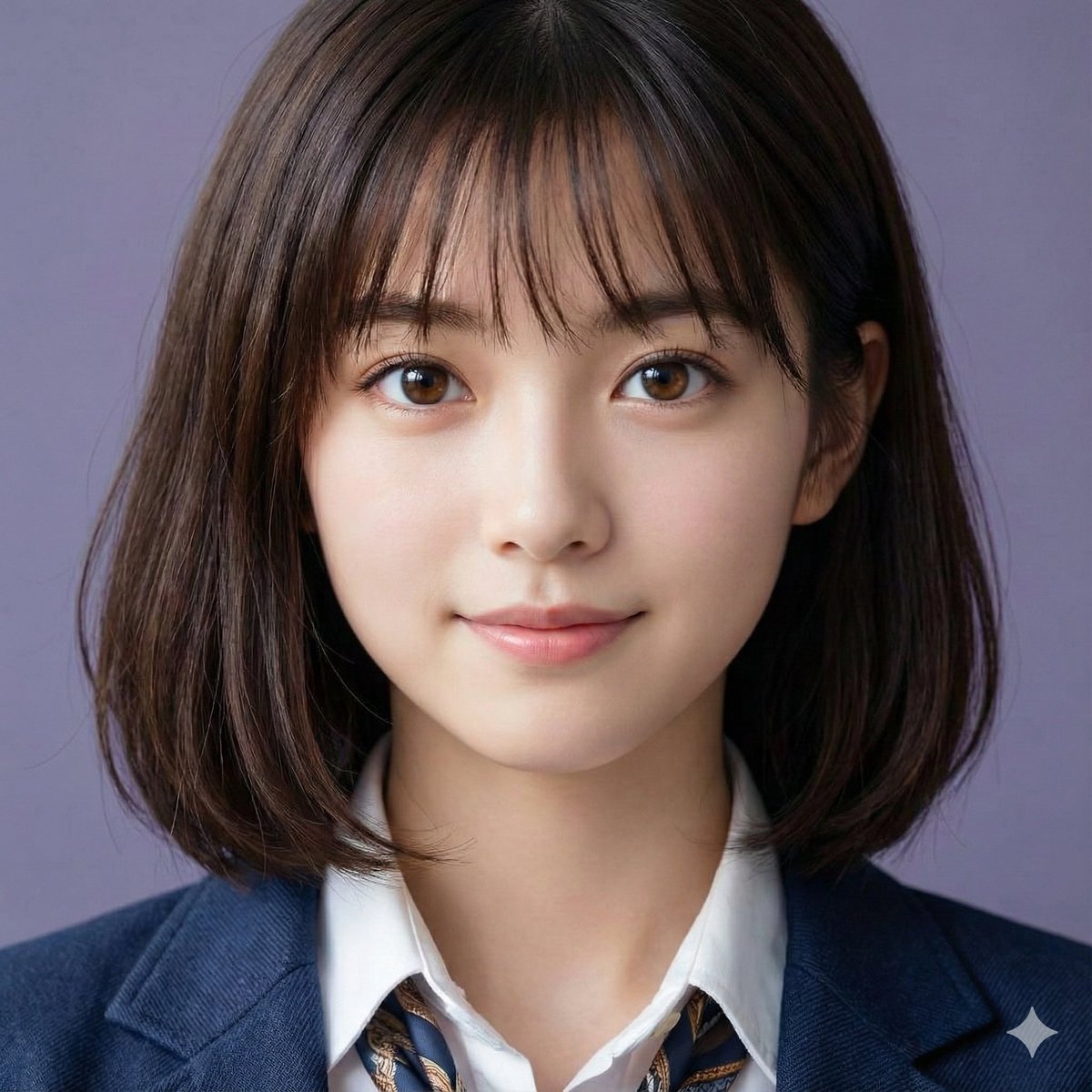
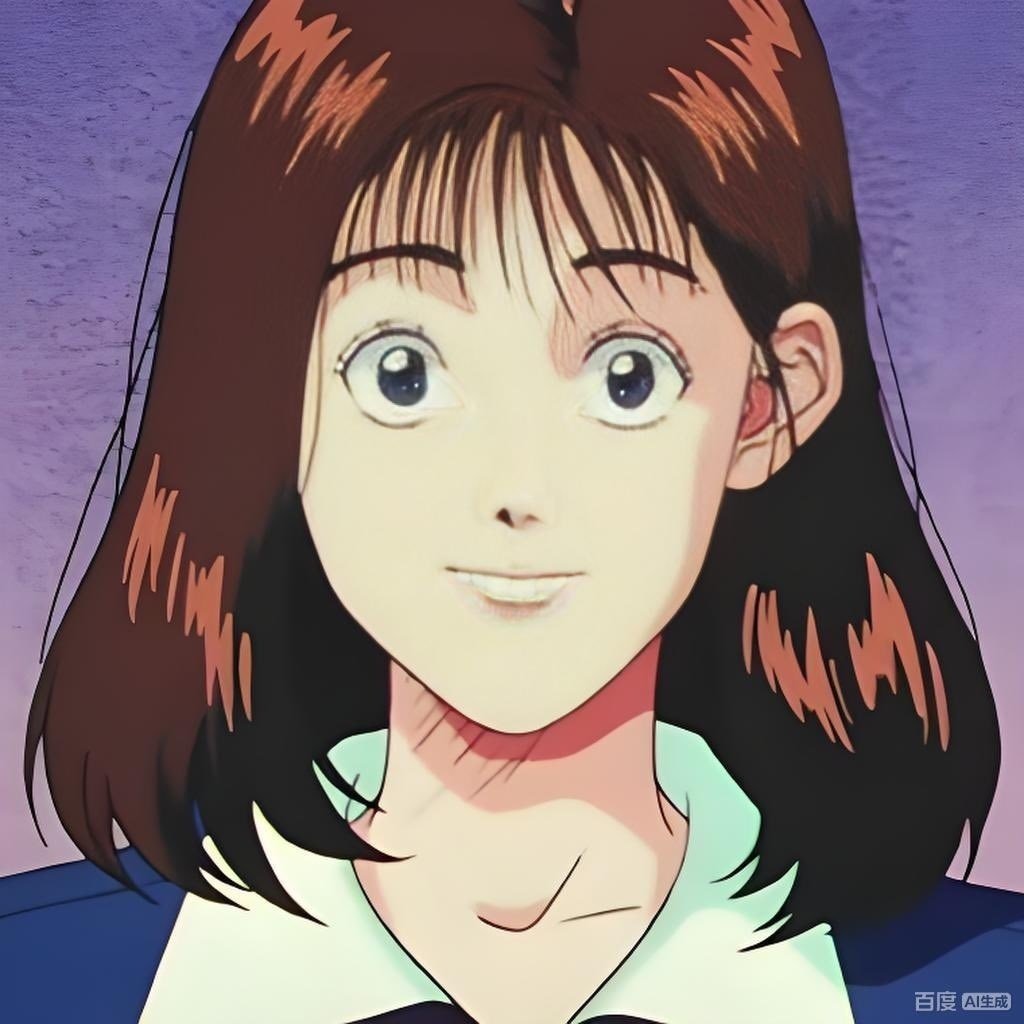
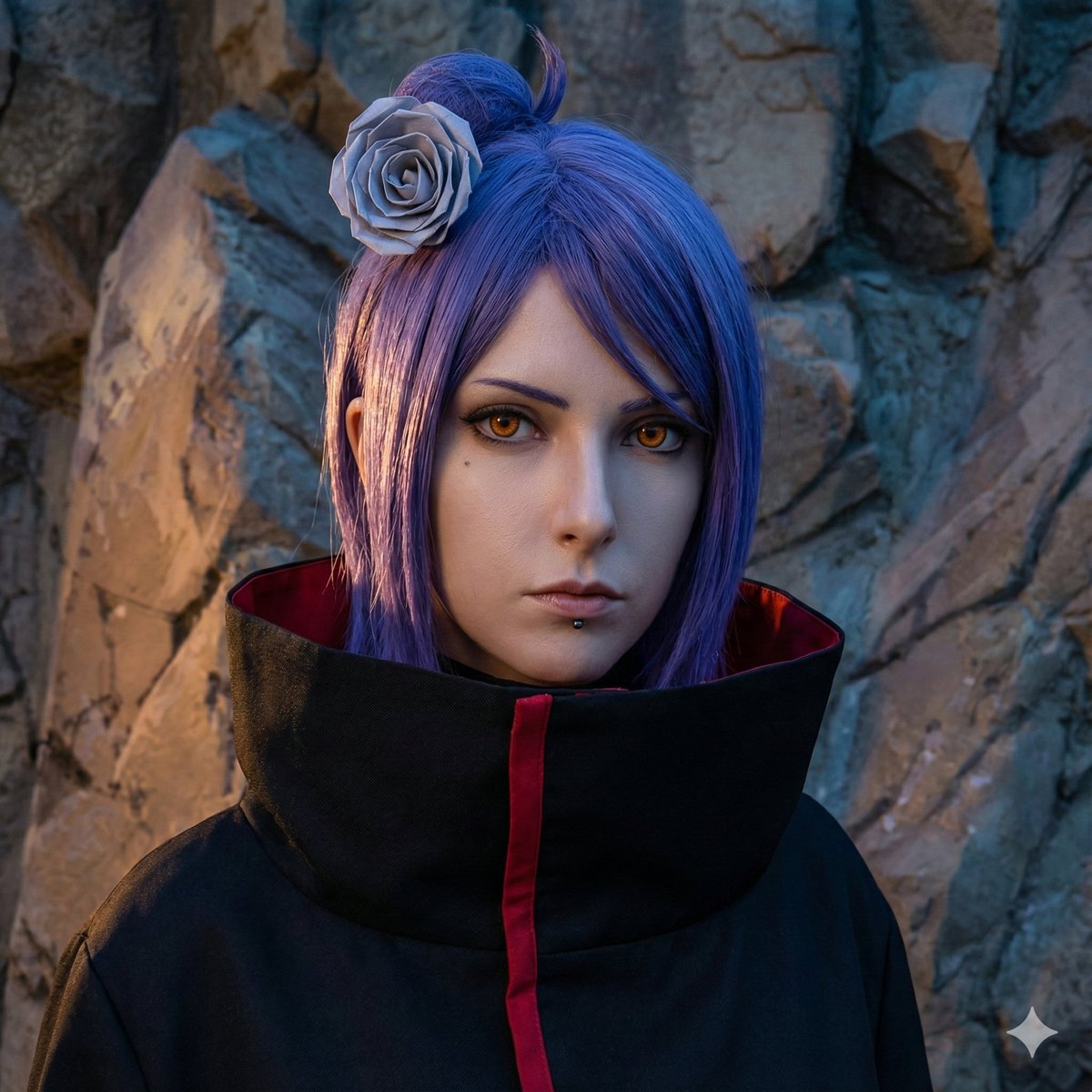

This process was all about embracing the flagship smartphone camera's capabilities—shooting in 4K resolution with an aperture set between f/8 and f/11. This ensured a deep depth of field that kept both the model and the environment razor-sharp. I wanted to avoid the usual shallow depth of field or bokeh effects common in portraiture. Instead, the entire scene stands out crisply, creating an immersive experience where the character feels tangibly present in a real-world setting.
The lighting was a key part of the transformation. I aimed for dramatic contrast, balancing warm work lights with cool twilight tones. This contrast not only enhanced the mood but also highlighted the textures of the character’s outfit and the subtle expressions on the face, maintaining that perfect blend between fashion photography and storytelling.
One of the trickiest parts was preserving the comic character’s identity without slipping into cartoonish or CGI looks. The AI prompt explicitly avoided any blurriness, pixelation, or exaggerated lighting that could degrade the image quality or pull it back into the realm of illustration. Instead, the result was a stunning ultra-realistic human figure that felt like a high-end editorial fashion shoot, shot entirely on a smartphone.
Prompt Insights
- Maintaining fidelity to the character’s original style while enhancing realism.
- Using deep depth of field to keep every detail crisp.
- Balancing warm and cool lighting for dramatic cinematic effect.
- Avoiding common prompt mistakes like soft focus or low resolution.
For anyone experimenting with AI image generation, this approach offers a fresh perspective on how to use detailed prompts to capture both character and environment with equal clarity. Whether you’re working on text to image projects or crafting visuals for social media, focusing on sharpness and lighting contrast can elevate your images dramatically.
You can find the full prompt here: ✨Prompt✨
Exploring this ultra-realistic transformation also opened my eyes to how smartphone cameras, often underrated in professional content creation, can deliver stunning results when paired with the right AI prompt and fine-tuned settings. The key takeaway: never underestimate the power of a well-crafted prompt combined with a deep understanding of photographic principles.
If you want to dive deeper into creating hyper-realistic portraits or cinematic scenes, check out other inspiring examples from AI art creator platforms that push the limits of image generation technology.