Recently, I dove into crafting ultra-realistic cinematic visuals using a golden AI prompt designed for epic narrative motion in movies. The goal was to replicate the essence of a high-budget feature film still, capturing every subtle detail from volumetric fog to natural depth of field. This experiment wasn’t just about pretty pictures—it was about creating a mood and telling a story through lighting and texture.
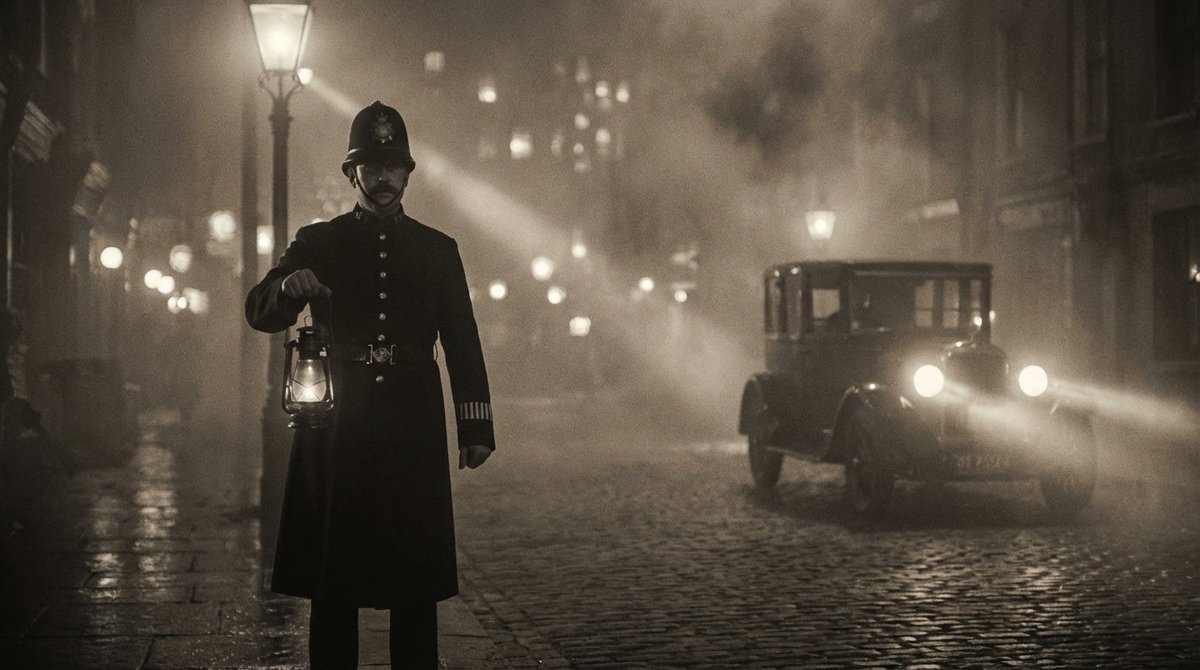
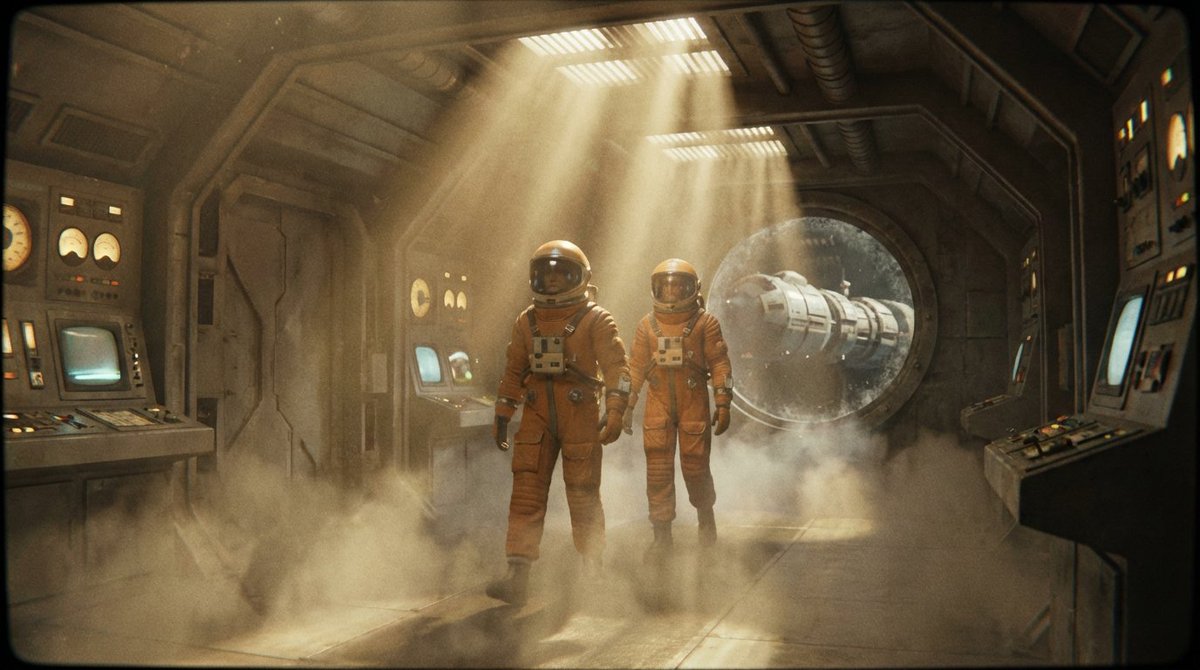

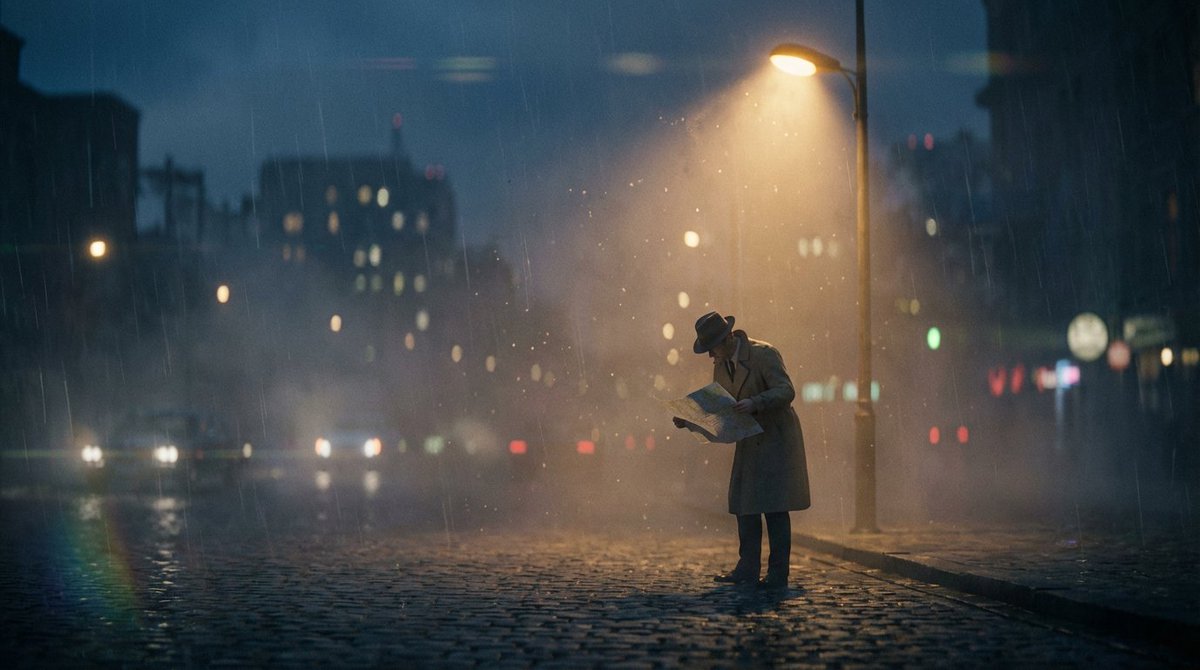
What struck me immediately was how the prompt’s focus on physically based lighting and shading brought the scene to life. The volumetric fog wasn’t static; it interacted dynamically with key light beams, producing that authentic cinematic atmosphere you usually see in premium movie productions. The subtle peripheral motion blur added a sense of movement, making the frame feel alive and part of a larger story.
One of the biggest challenges I faced was balancing the HDR exposure to preserve both highlights and shadows without losing detail. Thanks to the prompt’s emphasis on dramatic cinematic contrast and realistic lens imperfections like breathing and optical flaws, the final images had a tangible analog film grain texture that made them feel tactile and real.
Another detail that elevated the visuals was the use of micro-surface texture clarity and organic bokeh highlights, which enhanced the depth of field and created a beautiful separation between foreground and background elements. It’s those fine touches that give AI-generated images a premium movie camera aesthetic, rather than a flat digital look.
For creators curious about text to image generation, this prompt is a perfect example of how detailed instructions can push AI art creators to produce work that feels cinematic and immersive. It’s not just about the subject but how light, atmosphere, and optical effects combine to tell a story in a single frame.
If you want to try this yourself, keep an eye on how volumetric fog and light beams interact, and experiment with subtle motion blur to add movement. Avoid prompt mistakes like ignoring natural falloff or skipping analog grain, which can make images look too synthetic.
You can find the full prompt here: ✨Prompt✨
For more on image generation and how to use prompts effectively, check out these resources: