Recently, I experimented with a fascinating AI prompt that transforms a simple eye macro photo into a surreal yet hyper-realistic landscape. The idea was to merge two images: a detailed close-up of a human eye and a full-body portrait of a person, placing the tiny figure sitting on the lower eyelid as if the eye itself was a vast terrain.
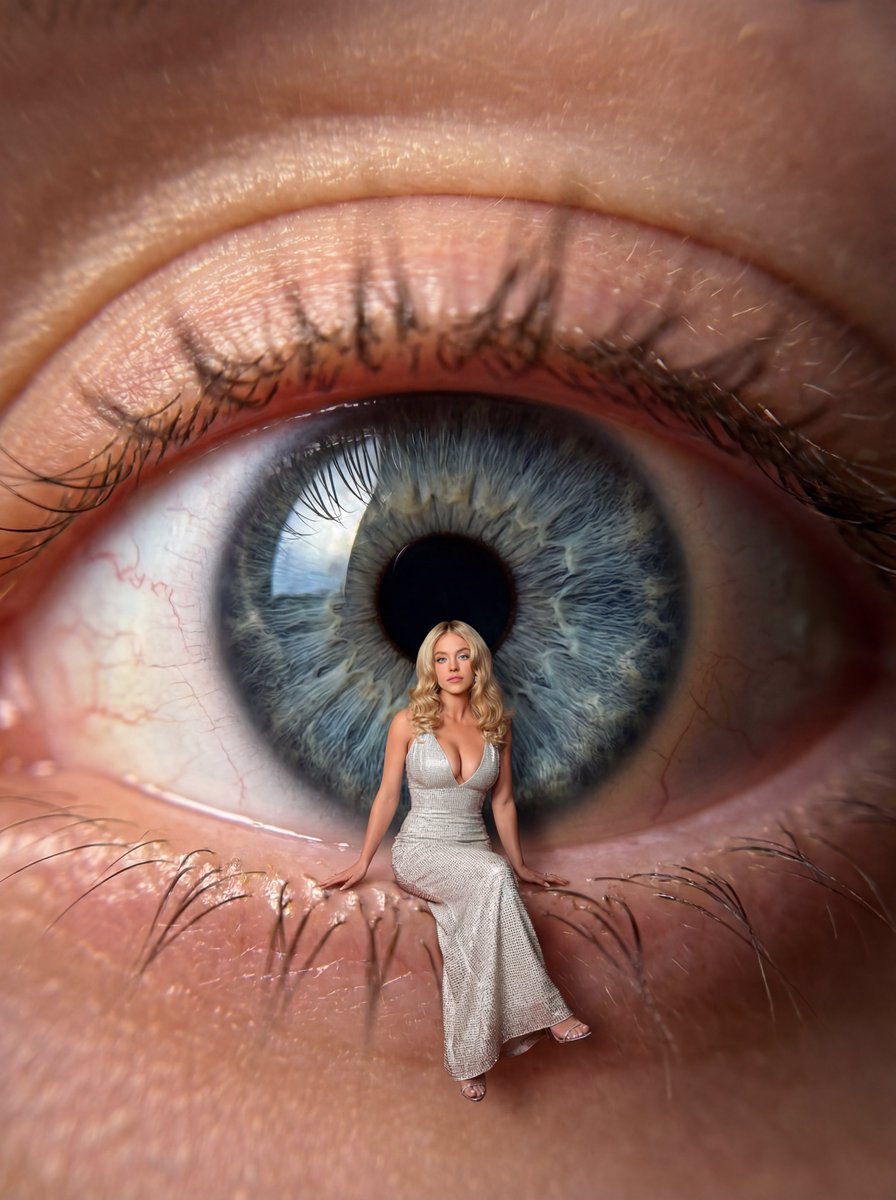

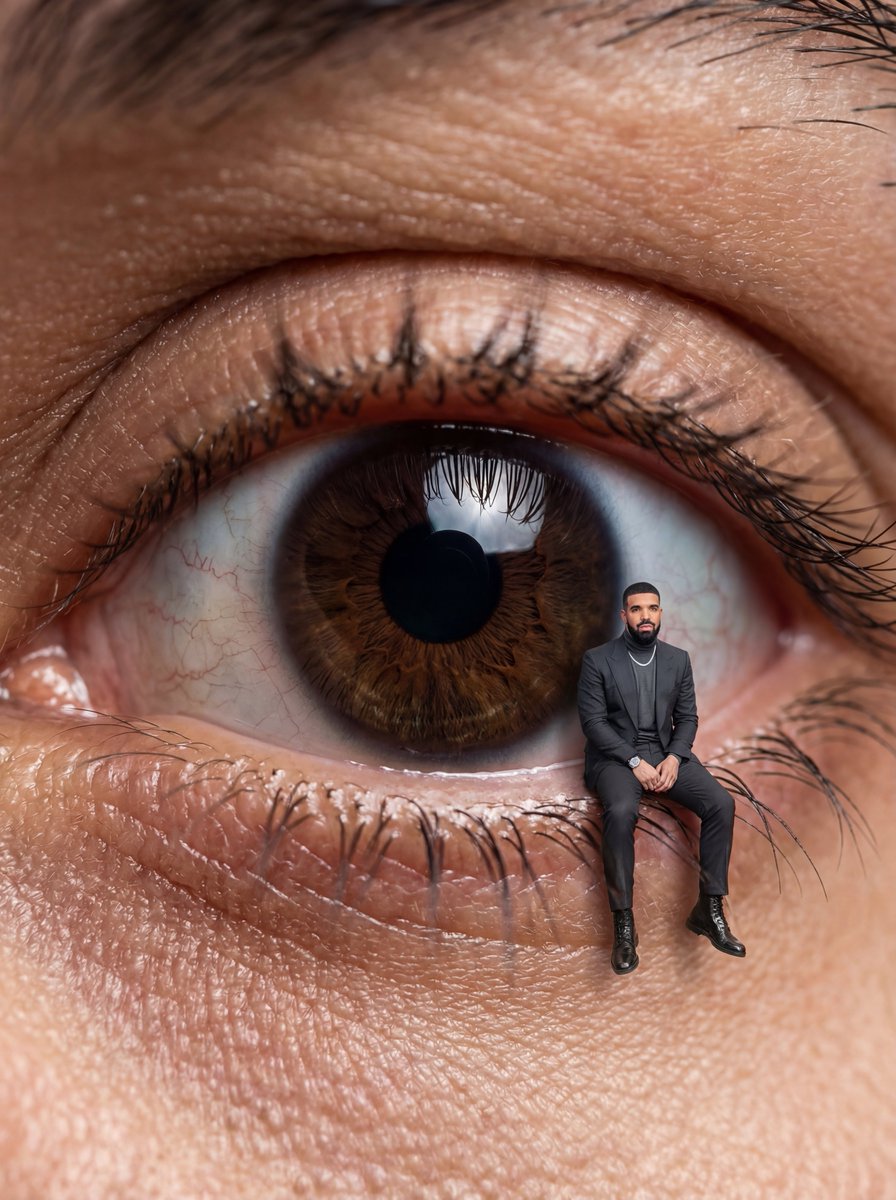

This prompt by style called for extreme attention to detail — every iris fiber, vein, and waterline moisture had to be crisp, with realistic corneal highlights and subtle chromatic variations. The person had to be perfectly scaled and integrated, so they didn’t look pasted but naturally seated with accurate shadows and reflections.
What struck me most was how the AI balanced lighting between the eye and the figure. The soft bounce light from the sclera and eyelid skin created a believable atmosphere, enhancing depth and making the composite indistinguishable from a professional photo. The shallow depth of field emphasized the iris texture and the figure sharply, while letting the eyelashes gently fall out of focus, adding to the realism.
Working with this prompt taught me a lot about image generation tips — especially the importance of matching scale, perspective, and light temperature for seamless integration. One mistake to avoid is ignoring micro-reflections or occlusion, which instantly breaks the illusion. The prompt’s negative instructions were equally crucial, steering clear of any CGI or illustration-like effects that would reduce the photorealism.
For content creators interested in text to image AI, this prompt is a brilliant example of how to push boundaries beyond simple portraits or landscapes. It’s about creating stories within images, inviting viewers to explore miniature worlds hidden in plain sight.
You can find the full prompt here: ✨Prompt✨
For anyone curious about AI art creator tools, I recommend experimenting with macro shots combined with human figures to achieve this hyper-real effect. The key is not rushing the prompt adjustments and paying close attention to natural skin textures and lighting nuances.
Discover more about AI image generator techniques, text to image workflows, and how to refine your image generation skills to create similarly stunning composites.