Discovering Bauhaus Geometry in AI Art
When I first experimented with a Geometric Bauhaus composition for my AI-generated visuals, I was intrigued by the idea of using clean lines and simple shapes to communicate so much with so little. The prompt guided me to focus on harmony and balance by pairing two contrasting colors, which challenged me to rethink how color relationships can shape perception.
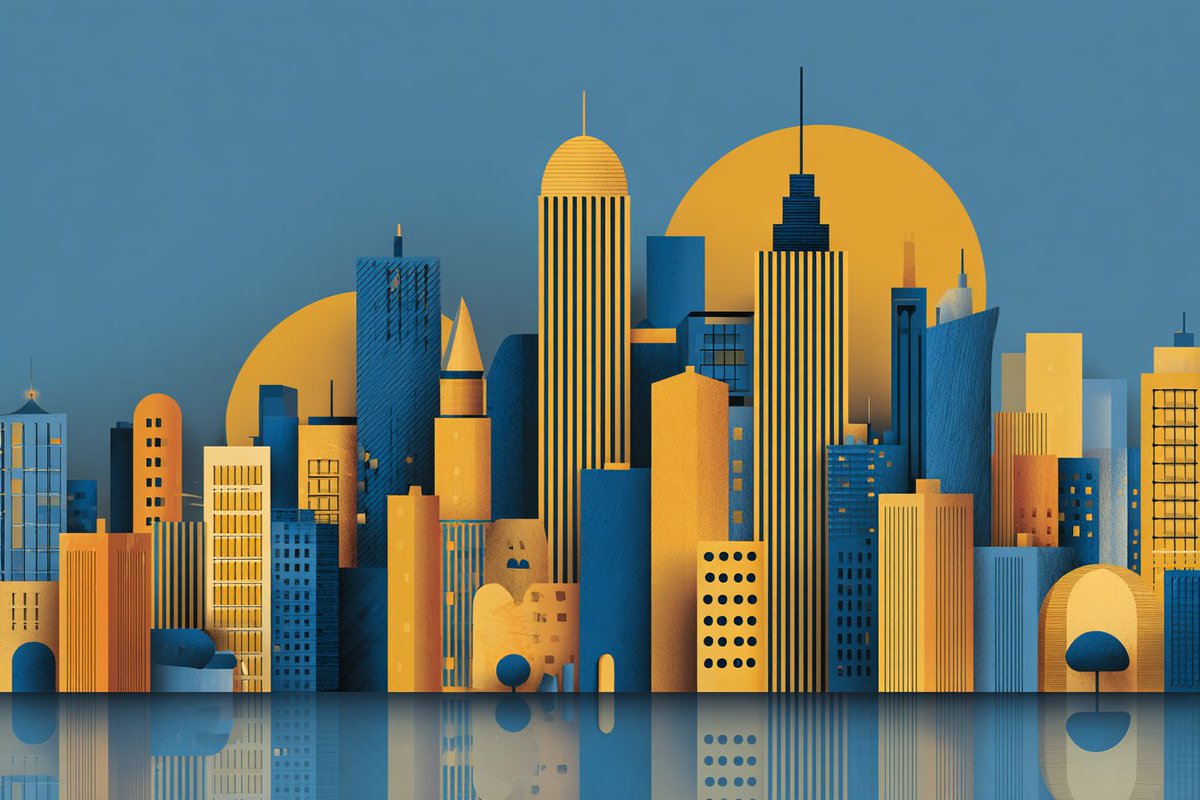
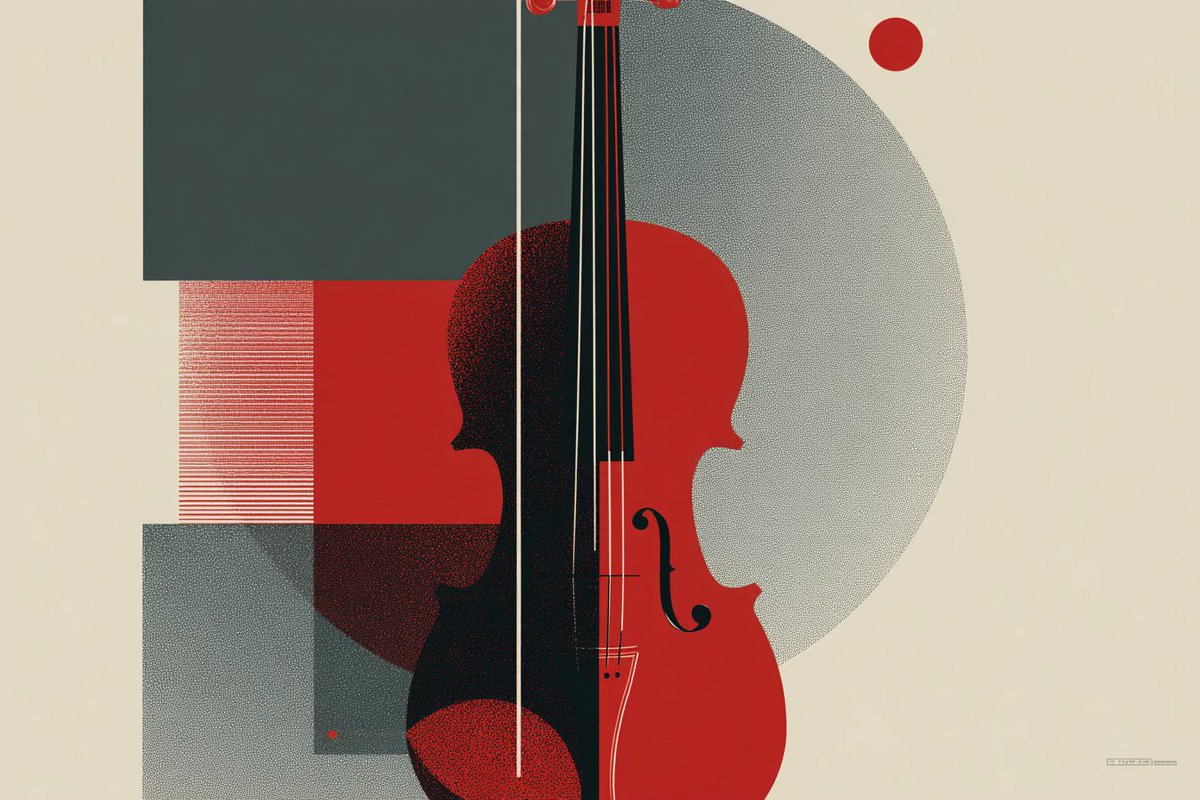

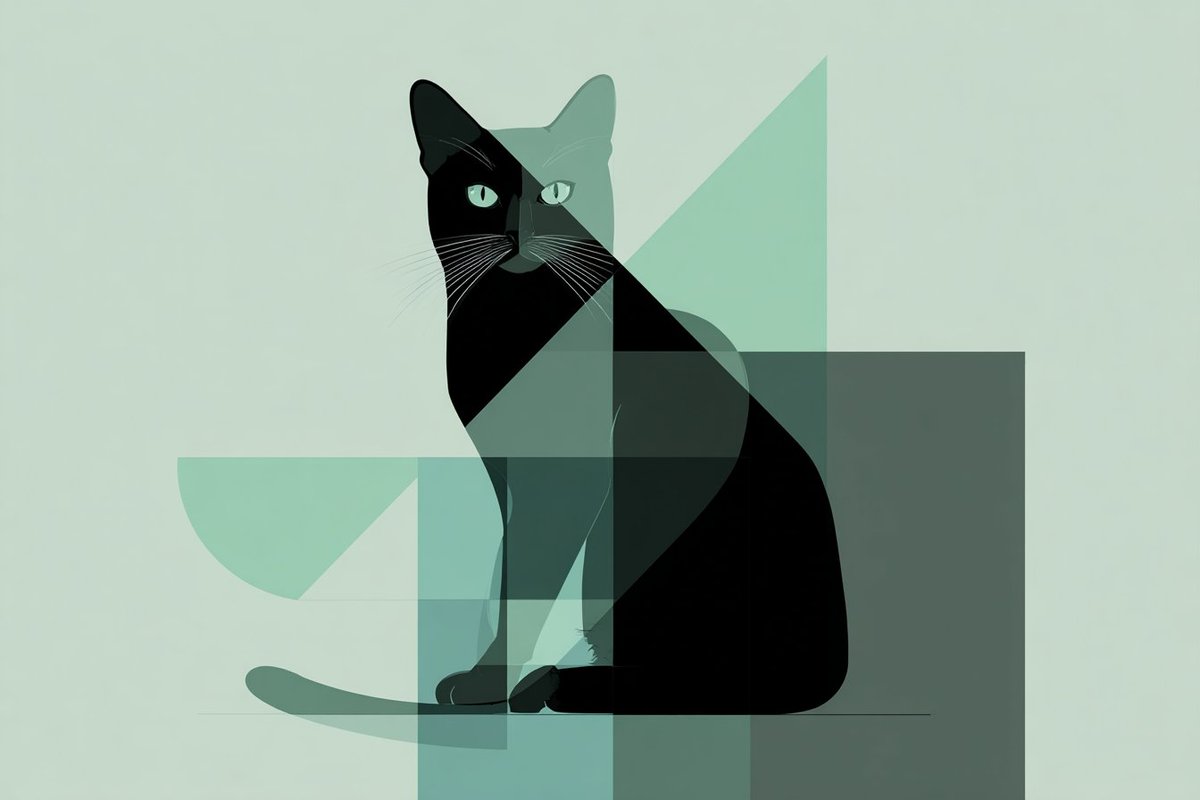
The Bauhaus style is renowned for its minimalism and emphasis on function, but what I found most striking was how these principles translate into AI art. Using a pair of colors like deep navy blue and vibrant mustard yellow, I was able to craft images that felt both modern and timeless. The geometric shapes — circles, squares, and triangles — came together to form compositions that were visually calming yet dynamic.
One of the biggest lessons was realizing how subtle adjustments to the prompt could shift the entire mood. For example, swapping out one color for a softer pastel immediately softened the composition’s impact, while sharper edges made the design feel more structured and rigid. This taught me to be deliberate with prompt details to control the final output’s emotional tone.
It wasn’t just about creating pretty pictures. The Bauhaus approach helped me streamline my creative process by focusing on essentials—shape, color, and balance—allowing the AI to generate cohesive visuals faster and with less trial and error. This efficiency is a game changer for anyone juggling content creation deadlines.
If you want to explore this style yourself, consider these tips: start with a clear subject, pick two contrasting colors that resonate emotionally, and emphasize simple geometric shapes. Avoid overloading the prompt with too many details, or you risk losing the signature Bauhaus clarity.
You can find the full prompt here: ✨Prompt✨
For more inspiration and tools, check out AI image generator and AI art creator resources that help you master image generation with tailored text to image prompts.