Reimagining Food Photography with Flying Ingredients
Recently, I decided to push my food photography beyond the usual still-life shots. Inspired by a prompt to photograph a main dish or dessert with secondary ingredients flying through the air, I wanted to capture not just the food but the story and energy around it.
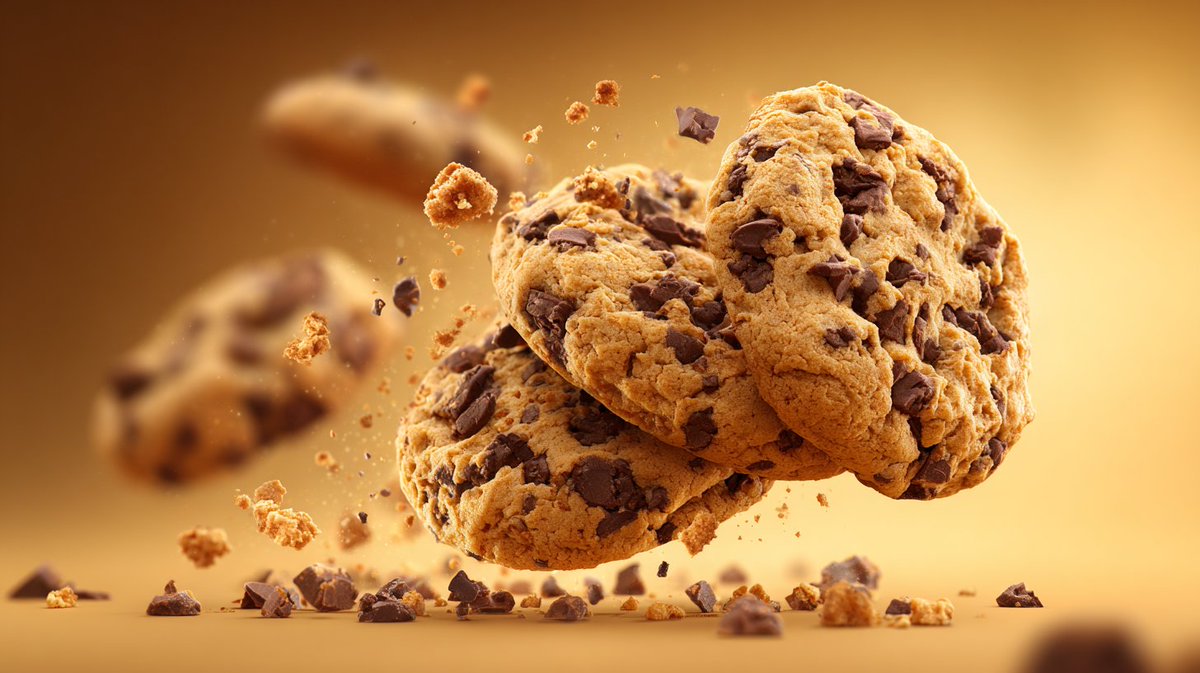


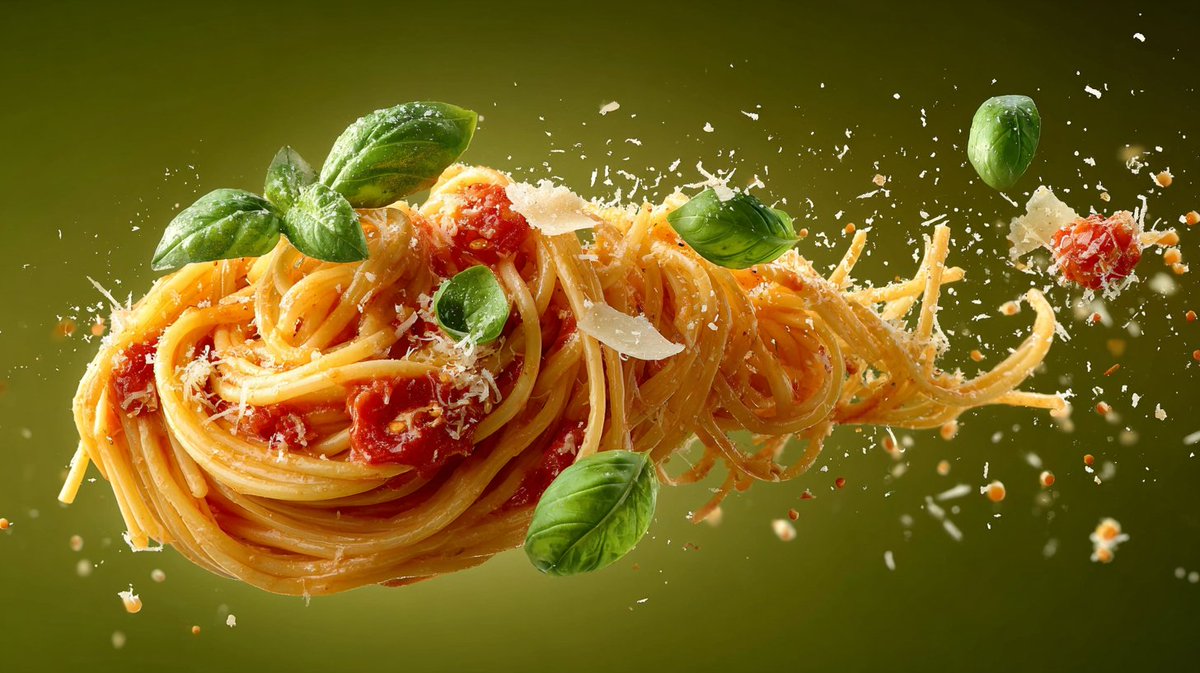
The setup was simple yet demanding: a strong, single-color background that made every element pop, studio lighting carefully positioned to highlight textures and colors, and a high-resolution camera to catch every droplet and crumb mid-flight. The key challenge was timing — freezing the motion of toppings and textures as they hovered above the main food.
Using this approach, the images gained a dynamic feel, almost like a moment frozen in an energetic burst. Bright colors contrasted sharply against the background, and the high level of detail made the ingredients almost tangible. It felt less like a static advertisement and more like a story unfolding visually.
What surprised me most was how this method changed my perception of food photography. Instead of focusing solely on composition and lighting, I became more experimental with movement and layering elements. The flying ingredients added depth and intrigue, making the photos stand out in a saturated market.
For creators looking to try this, some practical advice: pay close attention to your lighting setup to avoid unwanted shadows, experiment with high shutter speeds to freeze motion crisply, and consider the color of your background carefully to complement the food’s palette. Also, expect some trial and error when tossing ingredients — patience is key!
This style feels like a fresh way to approach image generation for food ads or social media, especially when combined with AI tools that help visualize concepts before shooting. Incorporating flying elements can elevate your shots and engage viewers by presenting food as vibrant and lively.
You can find the full prompt here: ✨Prompt✨
Discover more on AI image generator, text to image, and how to use prompt adjustments to refine your results.