Discovering the Magic of Floating Food Photography
Recently, I dove into a fascinating AI prompt that challenged me to create images of delicious food floating in mid-air. The idea of capturing food as if it defied gravity instantly sparked my curiosity. Using advanced AI tools, I aimed to produce cinematic, ultra-realistic visuals with studio lighting and a dark background that emphasized every intricate detail.
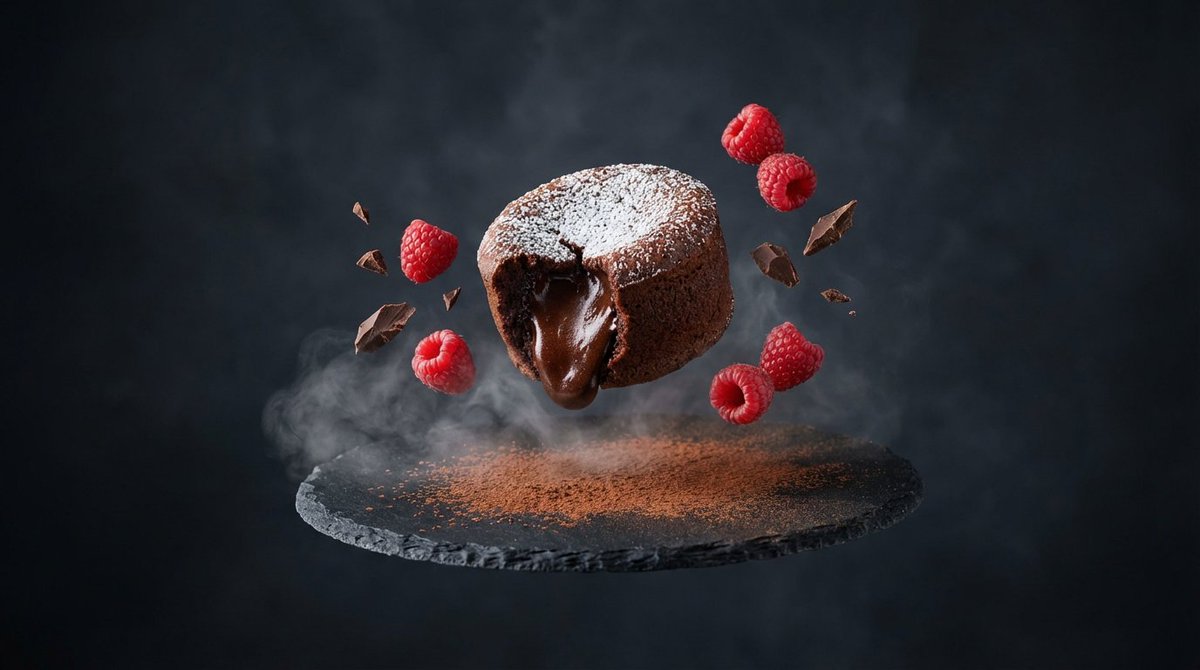
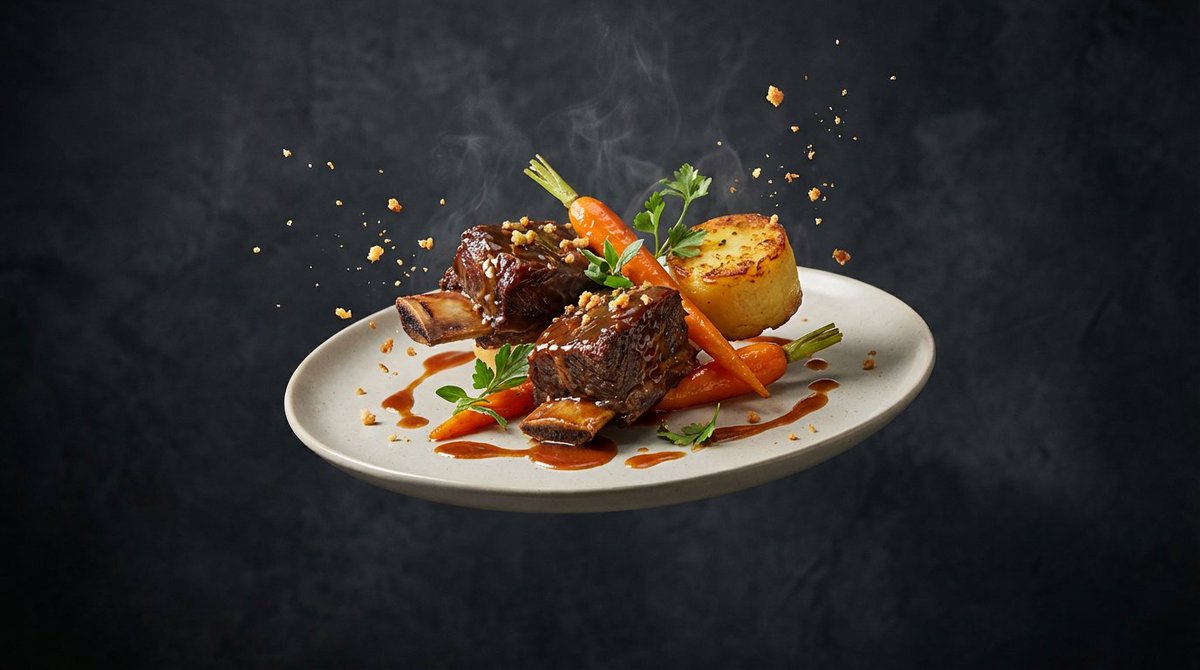

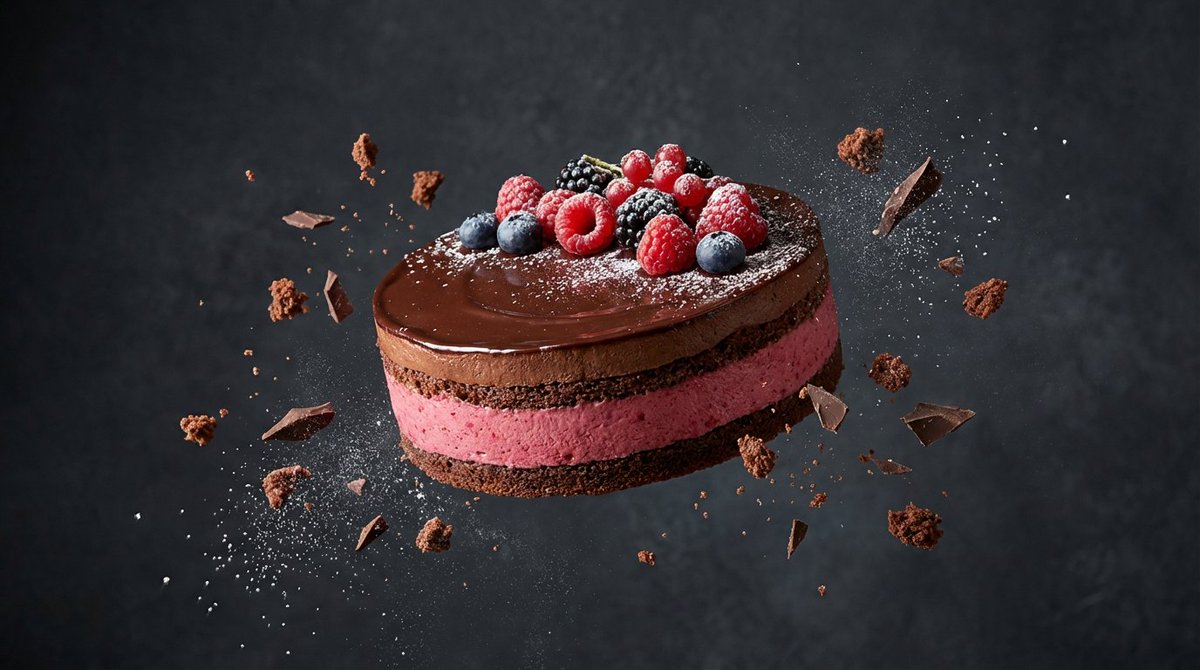
This approach felt like a breath of fresh air compared to traditional food photography. Instead of static plates, the floating effect added a dynamic, almost surreal vibe that felt both professional and artful. The hyper-detailed textures and lighting gave the food a mouthwatering realism that’s hard to achieve otherwise.
Why Floating Food?
The floating concept isn’t just a gimmick. It creates a visual tension that draws the viewer’s eye immediately. It turns common dishes into visual stories, almost like they’re starring in a cinematic scene. The dark studio backdrop further accentuated the colors and textures, making the food pop in a way that’s perfect for advertising photography.
What I Learned About Using AI Prompts for Food Imagery
- Prompt Precision Matters: Including keywords like "cinematic," "studio lighting," and "intricate details" helped the AI nail the aesthetic I wanted.
- Balancing Realism and Artistry: The AI’s ability to create hyper-detailed images means you can push visuals beyond what’s possible in a typical shoot.
- Lighting Is Everything: Simulated studio lighting gave the food depth and shine, making it look almost tangible.
- Experiment with Backgrounds: The dark background was a game-changer for contrast and focus.
This experience taught me a lot about how to harness AI for professional food photography. Floating food images can elevate your portfolio or brand by adding a unique visual story that captivates audiences instantly.
You can find the full prompt here: ✨Prompt✨
For anyone interested in exploring text to image techniques or diving deeper into image generation, I highly recommend trying prompts focused on lighting and detail to get the best results. Tools like AI art creator platforms make it surprisingly easy to experiment and create stunning visuals.