Discovering Cinematic Frames with Dramatic Lighting
Recently, I decided to dive into creating cinematic frames using dramatic lighting techniques. The goal was simple yet ambitious: to capture a subject in a location with a mood that feels alive and immersive. I was drawn to the way dramatic lighting can sculpt a scene, adding depth and emotion that standard lighting often misses.

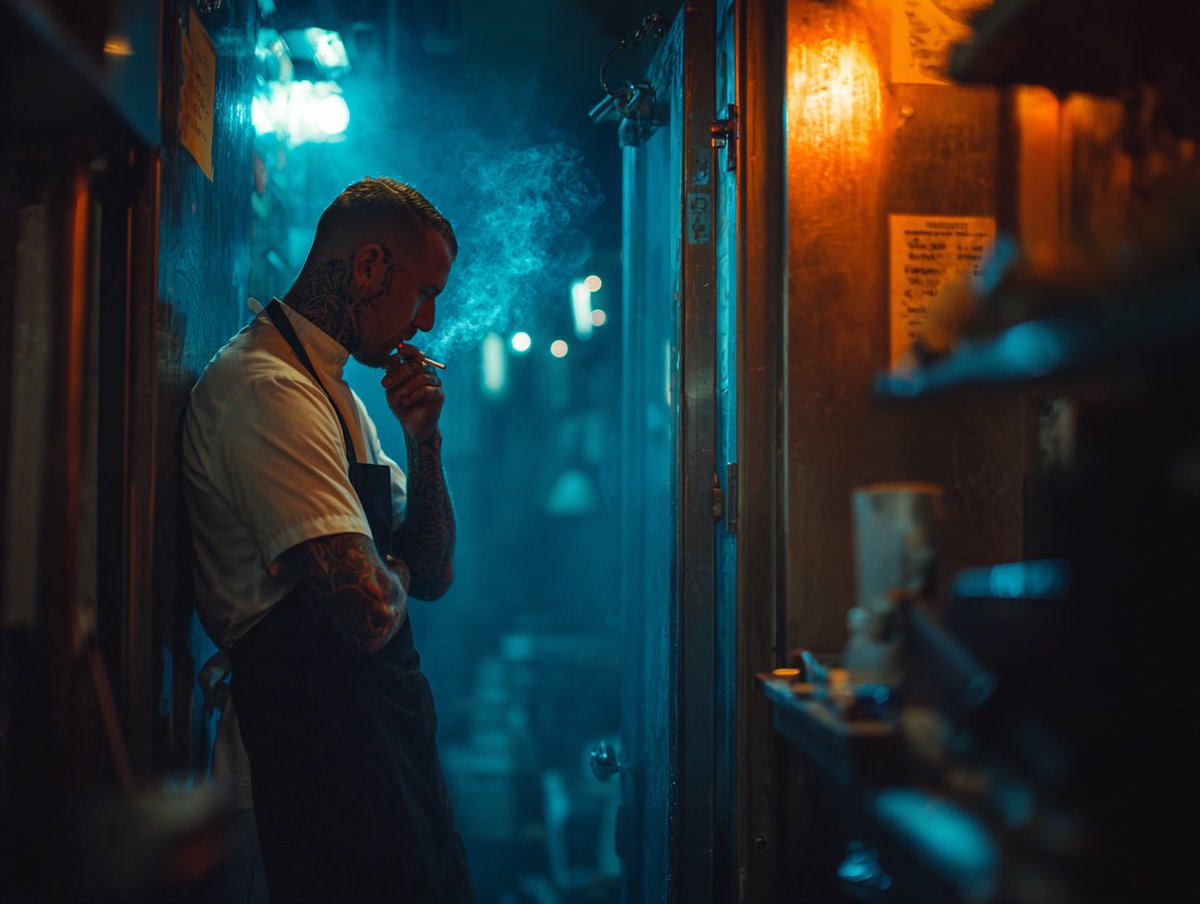
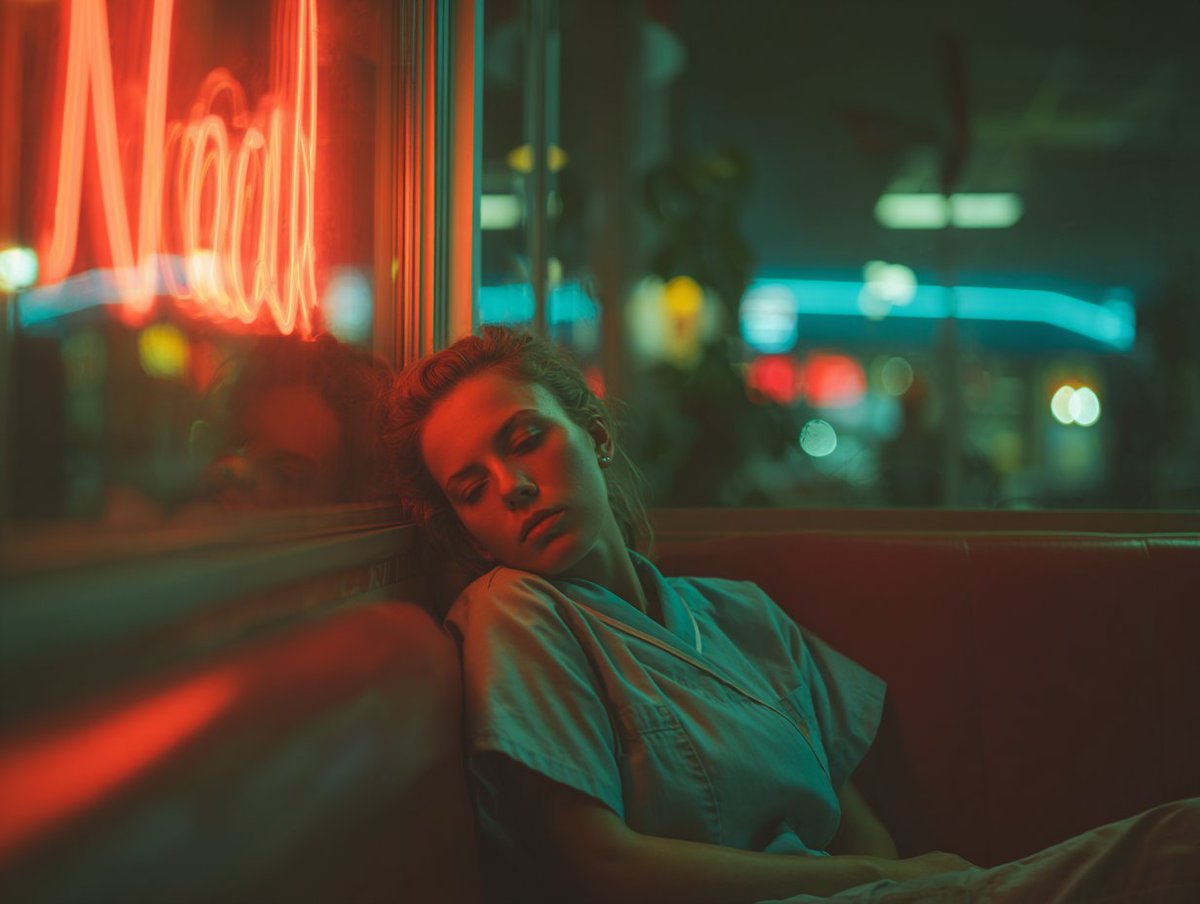

What struck me immediately was how the shallow depth of field helped isolate the subject against a soft, blurred background, making every detail pop. The film grain and carefully chosen color grading added a nostalgic, almost tactile quality to the images that digital shots sometimes lack.
Experimenting with different times of day was a game changer. Golden hour and twilight introduced rich, warm tones and subtle shadows that enhanced the dramatic effect. These moments gave the scenes a natural cinematic glow that felt both authentic and artfully crafted.
One tricky part was balancing the lighting to avoid harsh contrasts that could overwhelm the composition. Adjusting the prompt to fine-tune the color tone and mood helped me find the sweet spot where the atmosphere felt moody but still inviting.
Overall, using this AI prompt for cinematic frames pushed me to rethink how I approach visual storytelling. It’s an incredible tool for creators looking to experiment with text to image workflows and refine their image generation skills.
You can find the full prompt here: ✨Prompt✨
If you’re curious about improving your own visuals, I recommend trying variations of this prompt. Look out for subtle changes in lighting and color grading—they can dramatically shift the story your image tells.
For those interested, this is a perfect example of a Prompt by Style that leverages lighting and composition to evoke mood. It’s exciting to see how AI art creators can now mimic complex cinematic techniques with just a few words.
Check out more about AI image generator tools and tips to elevate your creative projects.