When I first tried creating a product image with a tilted angle and dynamic splashes floating around it, I wasn’t sure how it would come out. The idea was to make the product feel alive and in motion, almost like it was breaking free from the frame. Using a pitch-black background helped the details of every splash and floating element stand out sharply.
The magic really happened when I introduced backlighting. This lighting technique accentuated the edges of the splashes and the product itself, creating a glowing halo effect that gave the entire composition a surreal, hyper-realistic vibe. It was like capturing a moment frozen in ultra-high definition, where every droplet and flying element was sharply focused.
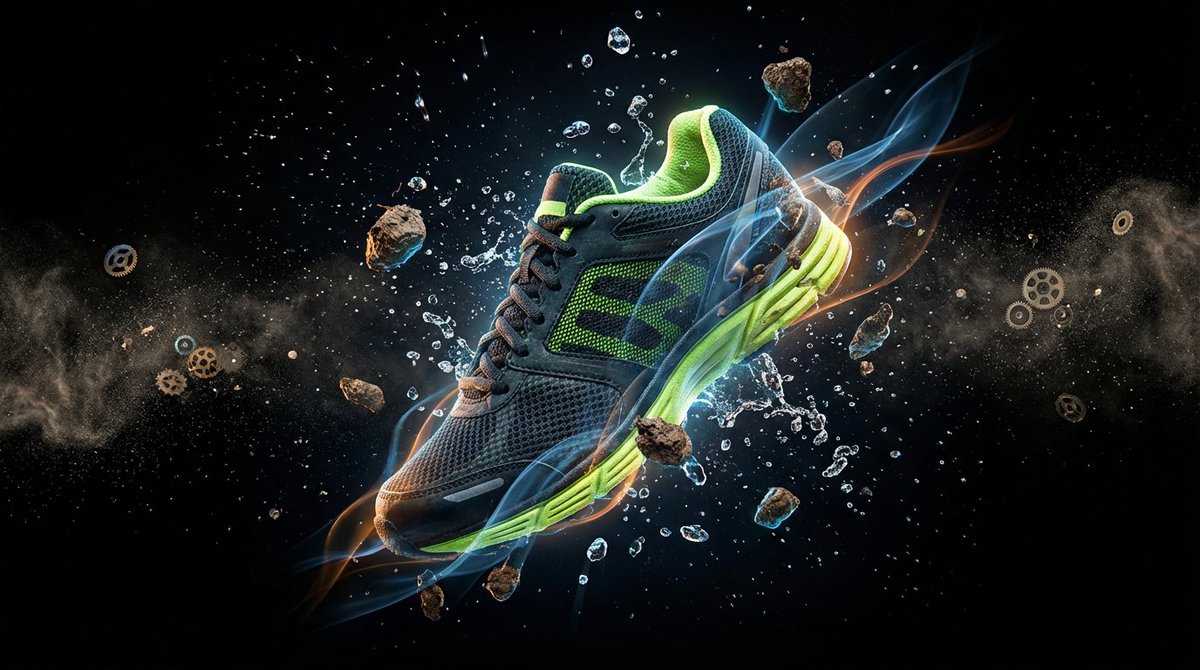
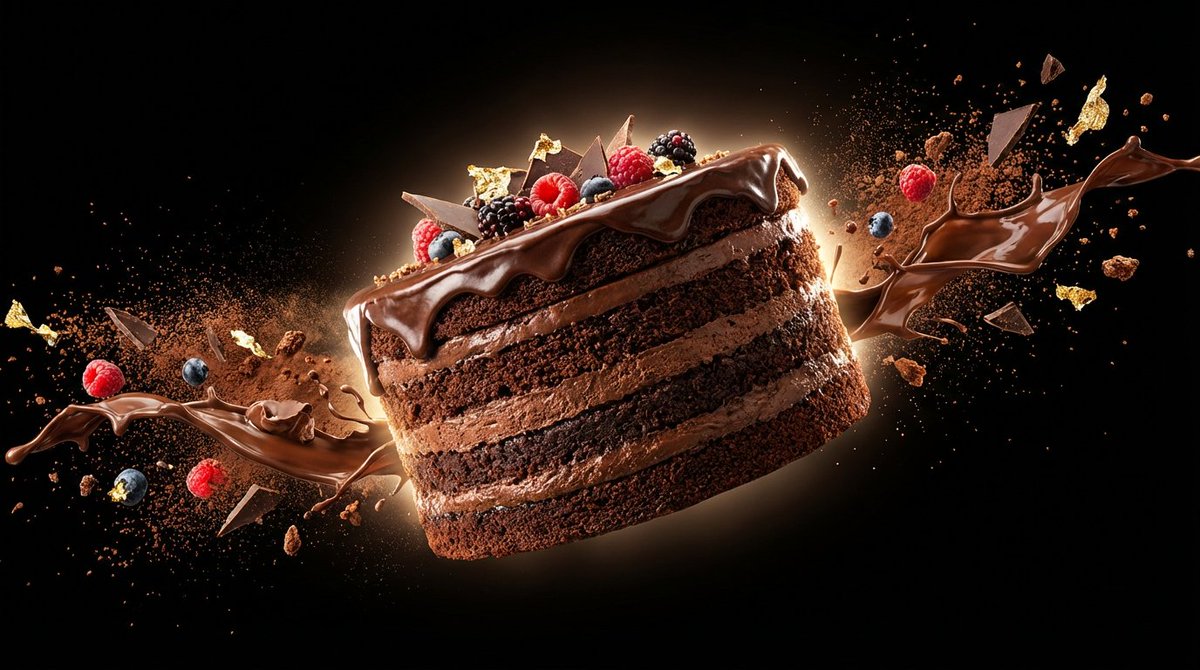
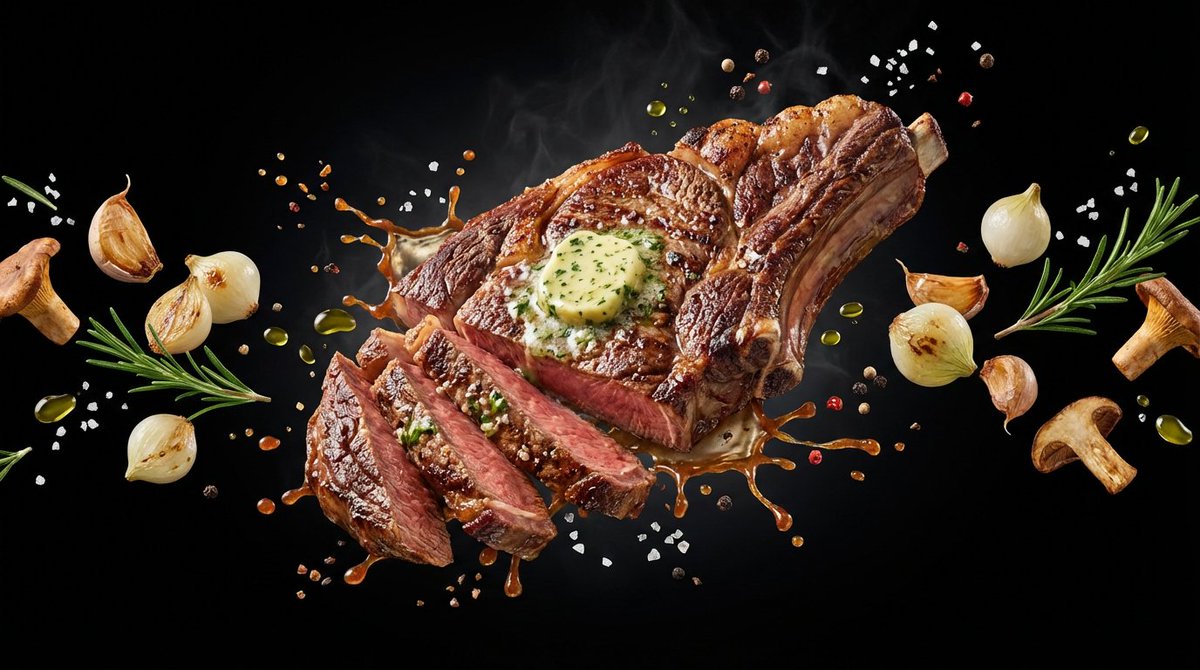

One key insight I gained is how essential it is to balance the lighting so the floating elements on both sides don’t overwhelm the product but instead complement it. The dynamic elements add energy and depth without distracting from the main subject. The high resolution and hyper-realistic photography style made a huge difference in making the image feel professional and polished.
From a content creator’s perspective, this style of image generation is perfect for marketing campaigns where you want your product to command attention instantly. It’s also a great example of how AI prompt adjustments—like specifying backlighting, sharp focus, and ultra-high definition—can help you achieve exactly the visual mood you want. If you’re experimenting with AI image generators, try incorporating these elements to elevate your product shots.
You can find the full prompt here: ✨Prompt✨
For anyone diving into text to image creation, understanding how to use prompt nuances like lighting and positioning can make all the difference. This experience taught me to be more intentional with every detail in my AI prompts, which has since improved my workflow and final images dramatically.
Check out more on how to push your creativity with an AI art creator and master image generation techniques.