Blending Marvel Icons with Everyday Soda Cans
Recently, I experimented with an AI image generator to create visuals that merge Marvel superheroes with popular soda brands. The idea was to highlight familiar character elements like Iron Man's gauntlet or Hulk's hand interacting with soda cans, all set against dramatic cityscapes or mystical backgrounds. This fusion made for some truly cinematic, tech-inspired artwork.
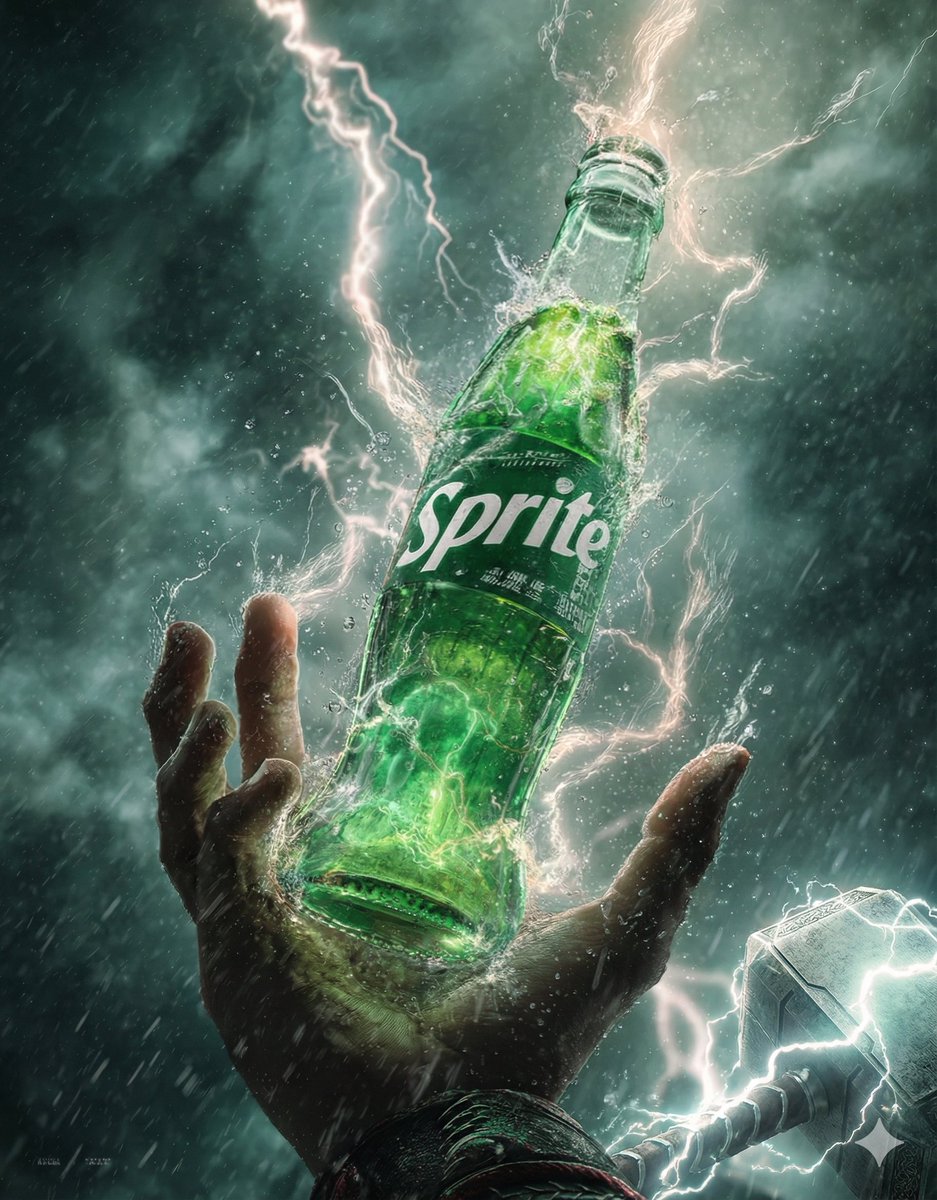
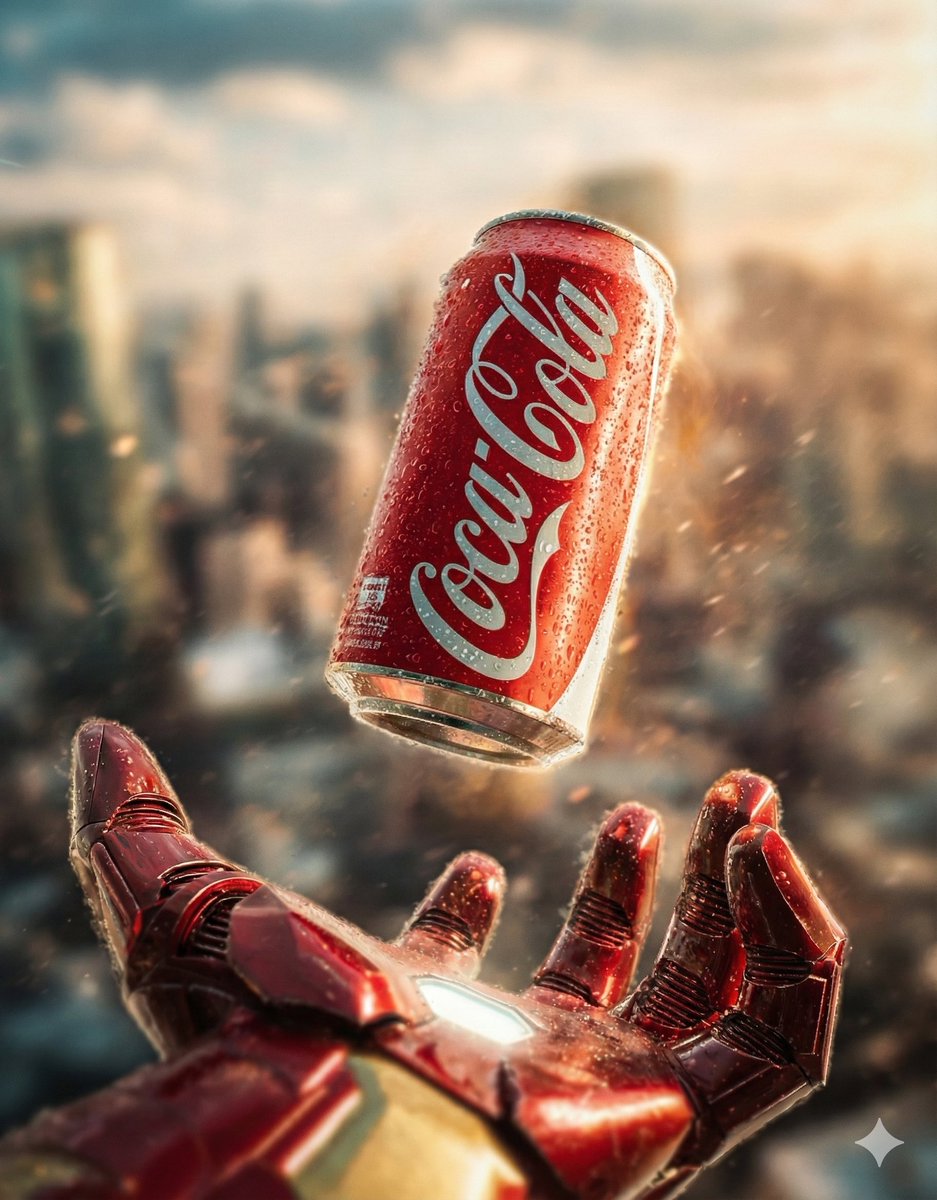


For instance, Iron Man’s gauntlet gracefully hovers beneath a floating Coca-Cola can, bathed in metallic lighting that feels straight out of a movie poster. The blurred city skyline behind adds depth without stealing focus, emphasizing that technological mood.
Another favorite was Hulk’s giant hand poised over a crushed Pepsi can embedded in smoky ruins. The explosive, high-contrast lighting amplified the destructive vibe perfectly, making the scene feel alive with tension and power.
Thor’s glowing hand illuminated a floating Sprite bottle amidst crackling blue lightning and rain—a mythological scene where electric lighting and stormy elements gave the image an epic fantasy feel. The subtle presence of Mjolnir in the background tied it all together beautifully.
Lastly, Doctor Strange casting a spell under a spinning Fanta bottle inside a golden magic portal created a mystical scene filled with golden bokeh lighting. The cinematic lighting and the Sanctum’s magical ambiance made the image feel both enchanting and powerful.
What I Learned About AI Prompting
Working with these AI prompts showed me how important it is to balance detail and clarity. Each prompt focused on a key object, a character element, and an environment, combined with specific lighting and mood directions. This helped the AI understand the desired cinematic or mystical atmosphere without overcomplicating the scene.
Adjusting prompt aspects like aspect ratio (7:9) also influenced composition, making the images feel more like movie posters than simple snapshots. It’s fascinating how slight changes in wording or emphasis can shift the mood from technological to mystical or destructive.
One common prompt mistake I noticed is adding too many conflicting details, which can confuse the AI and result in cluttered images. Keeping the focus clear—like highlighting one character element and one soda brand—yields stronger visuals.
Overall, this experience shows how AI image generation can be harnessed to create unique, pop-culture-inspired artwork. Whether you’re a content creator or just curious about AI art, experimenting with concise, well-structured prompts offers endless creative possibilities.
You can find the full prompt here: ✨Prompt✨
Check out more about AI image generator tools and tips on text to image techniques. If you want to dive deeper into becoming an AI art creator, there’s plenty of inspiration in exploring different image generation styles and moods.