When Taste Becomes Visual Poetry
There’s something magical about translating flavor into visuals, and this recent AI image prompt pushed that boundary for me. Using Google Gemini Nano Banana pro paired with ChatGPT image 1.5, I delved deep into creating hyper-realistic food illustrations that don’t just look delicious but narrate the essence of taste itself.
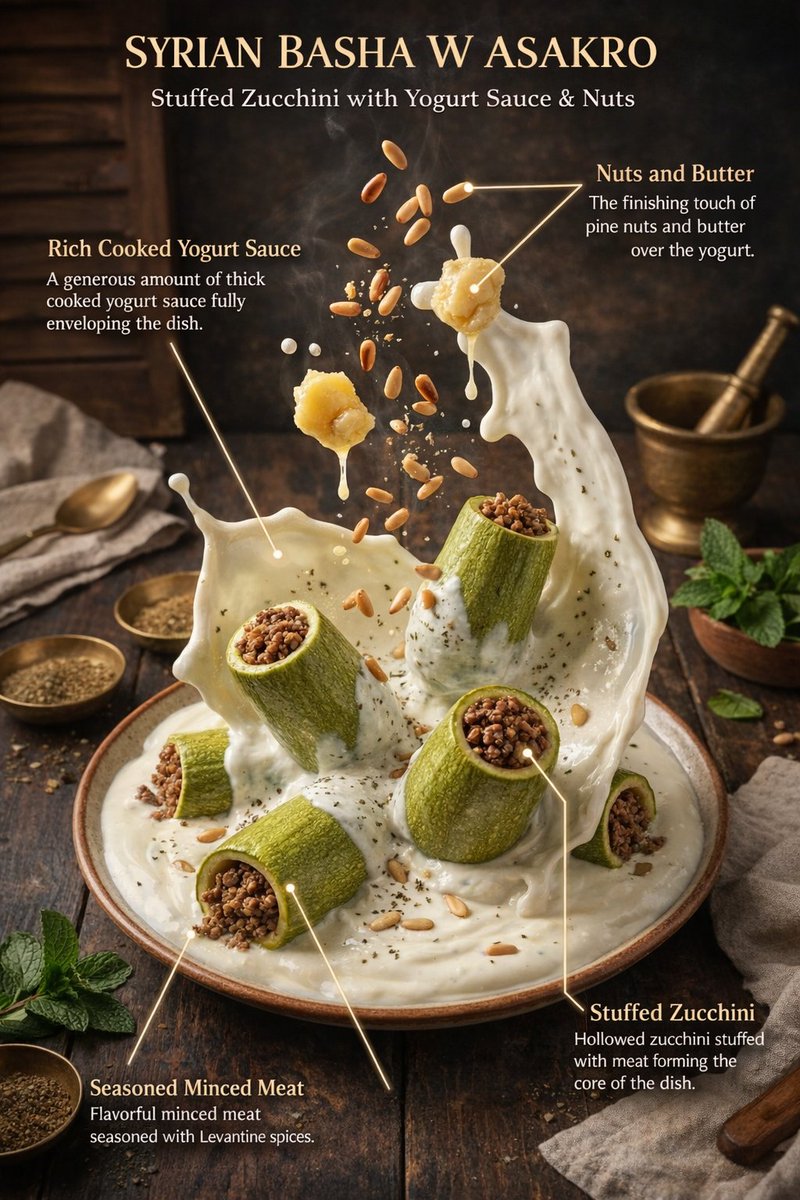
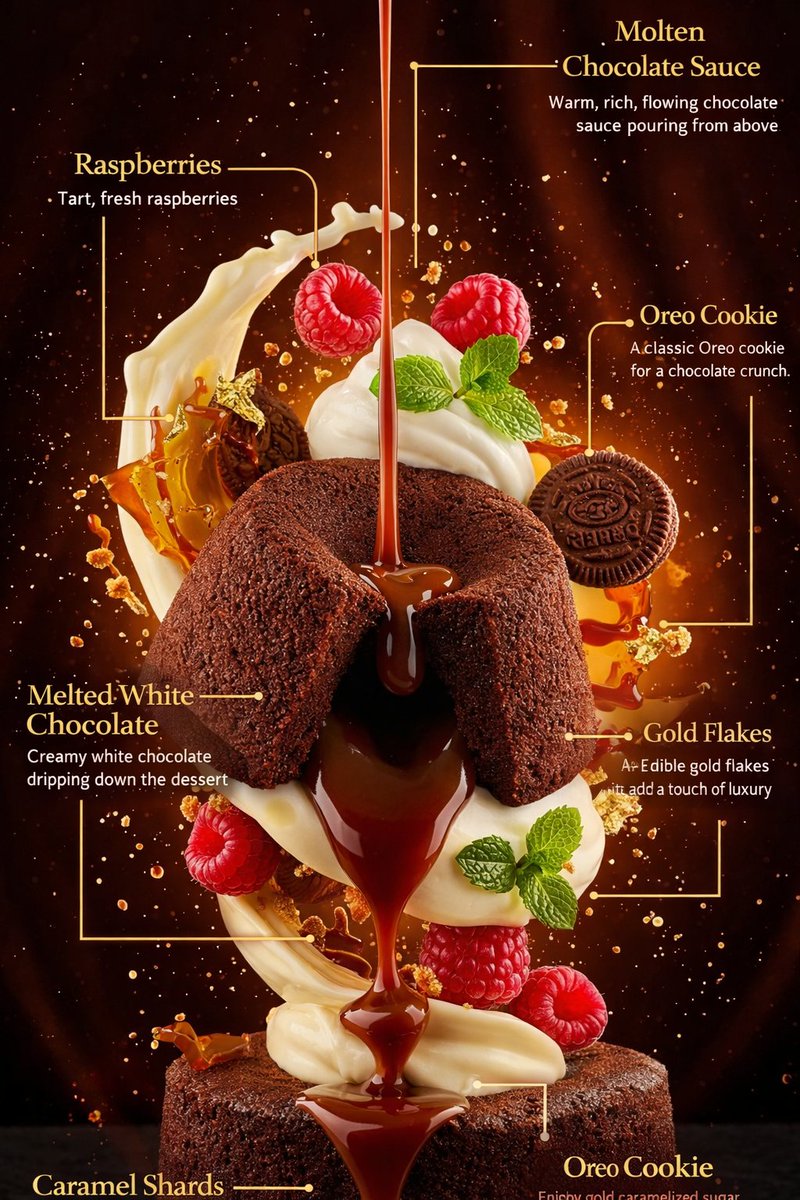
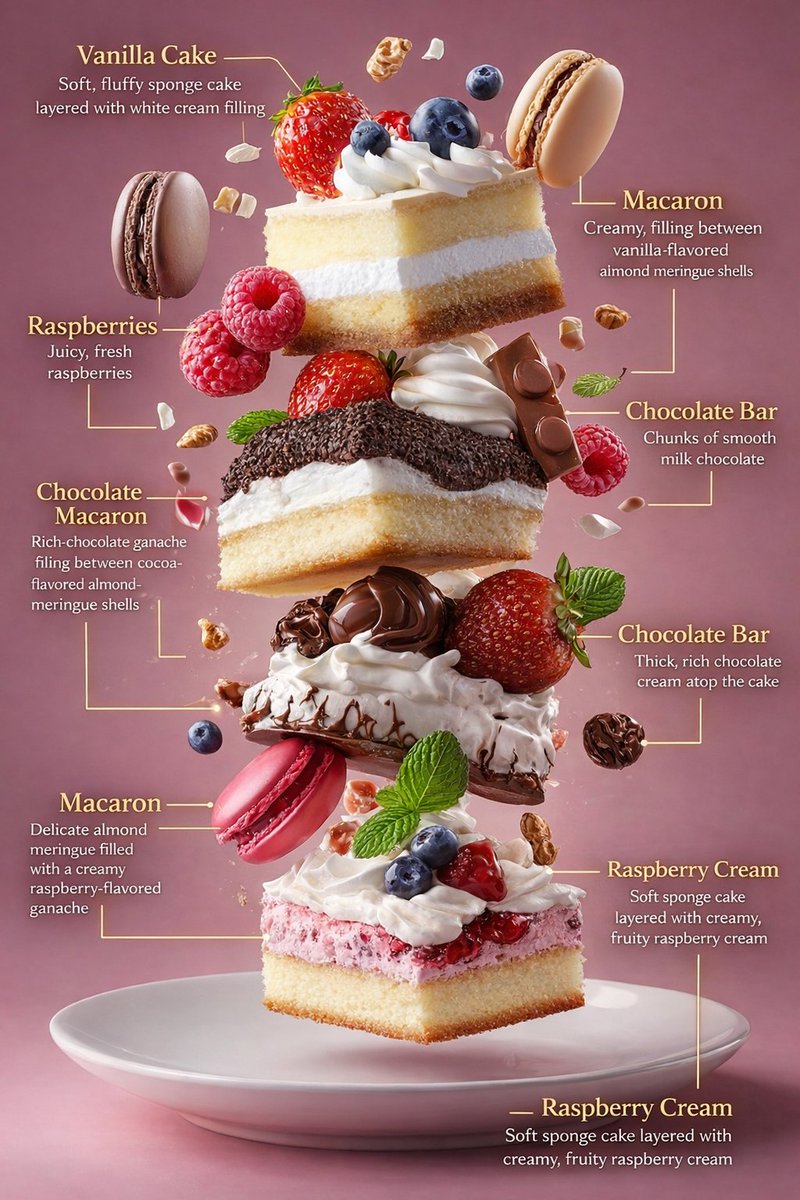
The first image felt like a dream: a vertical stack of assorted cake slices, each layer floating effortlessly above a pristine white ceramic plate. The soft pastel pink gradient background set a gentle, inviting mood, while studio food photography style lighting gave every crumb and fruit a cinematic glow. The shallow depth of field kept the focus razor-sharp on the cakes, letting the soft background fade into dreamy softness.
What I loved most was how the floating elements—fruits, macarons, even crumbs—were frozen mid-air, creating a sense of suspended motion that made the scene feel alive. The vanilla sponge cake looked incredibly fluffy, layered with white whipped cream and a luscious raspberry cream that seemed palpable. Metallic gold labels with elegant serif fonts named each ingredient, while clean sans-serif descriptions in pure white detailed the flavor profiles. Thin golden indicator lines smoothly connected each label to its component, blending editorial infographic style with artistic photography effortlessly.
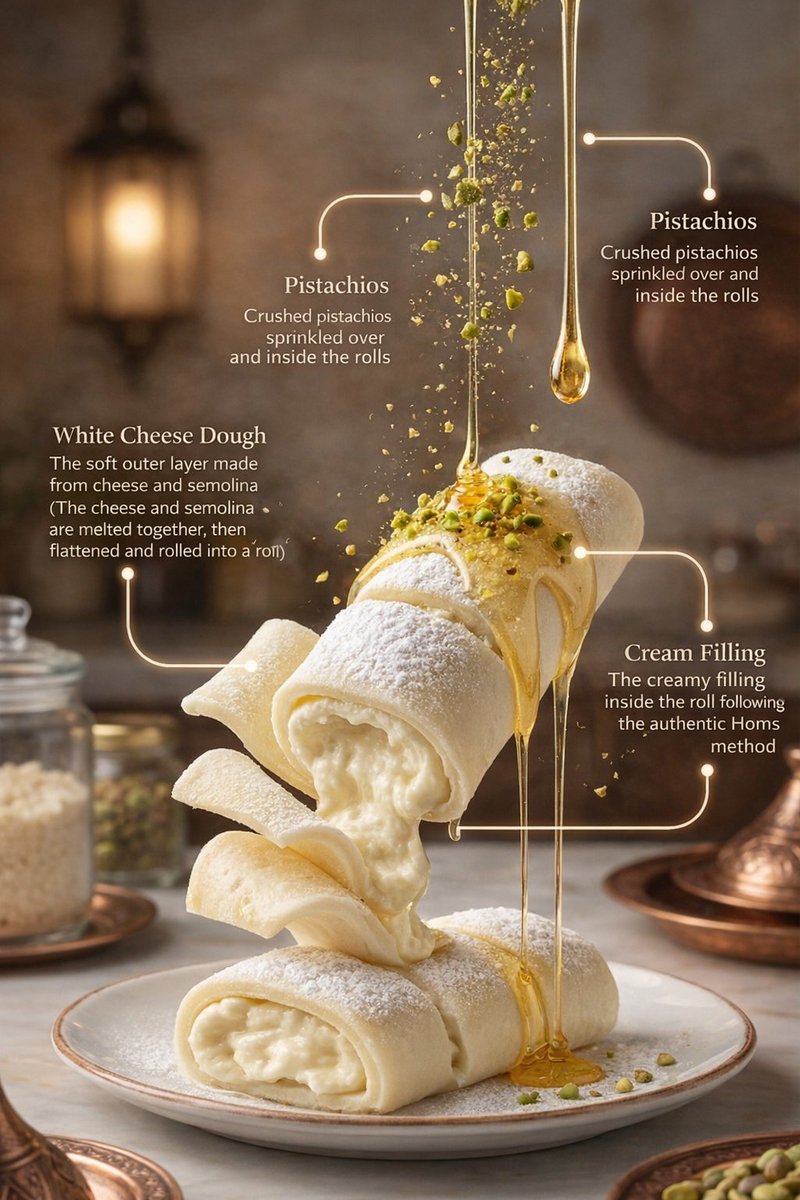
Transitioning to the second image, I was transported to a warm, rustic kitchen scene. A rolled Syrian dessert stood tall, syrup cascading down in a golden stream. The environment shimmered with soft lantern light reflecting off wooden surfaces and brass utensils, amplifying the cozy atmosphere. Here, the syrup's vertical drip and pistachio crumbs suspended mid-fall added dynamic motion that balanced the composition beautifully.
The white cheese dough looked soft and inviting, its cream filling spilling out temptingly, while crushed pistachios added texture and color contrasts. The text labels continued the metallic gold and white color scheme, maintaining the visual harmony established in the first image.
Working with such detailed prompt settings—like 8K ultra high definition resolution, center-weighted vertical composition, and controlled highlights—helped me appreciate how essential every detail is to evoke taste visually. It’s not just about making food look good; it’s about capturing the sensory story behind it.
For anyone curious about AI-driven food imagery, this experience highlighted the importance of precise prompt adjustments and avoiding common prompt mistakes like overcropping or harsh shadows, which can ruin the mood. Using a blend of hyper-realism and editorial infographic overlays, combined with soft, cinematic lighting, created a fresh way to visualize taste.
If you want to explore this kind of vivid, taste-inspired imagery yourself, check out the AI image generator tools and learn how to craft your own AI art creator prompts for stunning image generation.
You can find the full prompt here: ✨Prompt✨