A Visual Journey Through the Nano Banana Pro's Legacy
When I first encountered the idea of building a luthier's legacy board for the Nano Banana Pro instrument using Firefly, I was instantly captivated. The prompt promised not just a static image but a dynamic storytelling canvas that traced the instrument’s entire genealogy—from its ancestral roots to the intimate moment of performance.
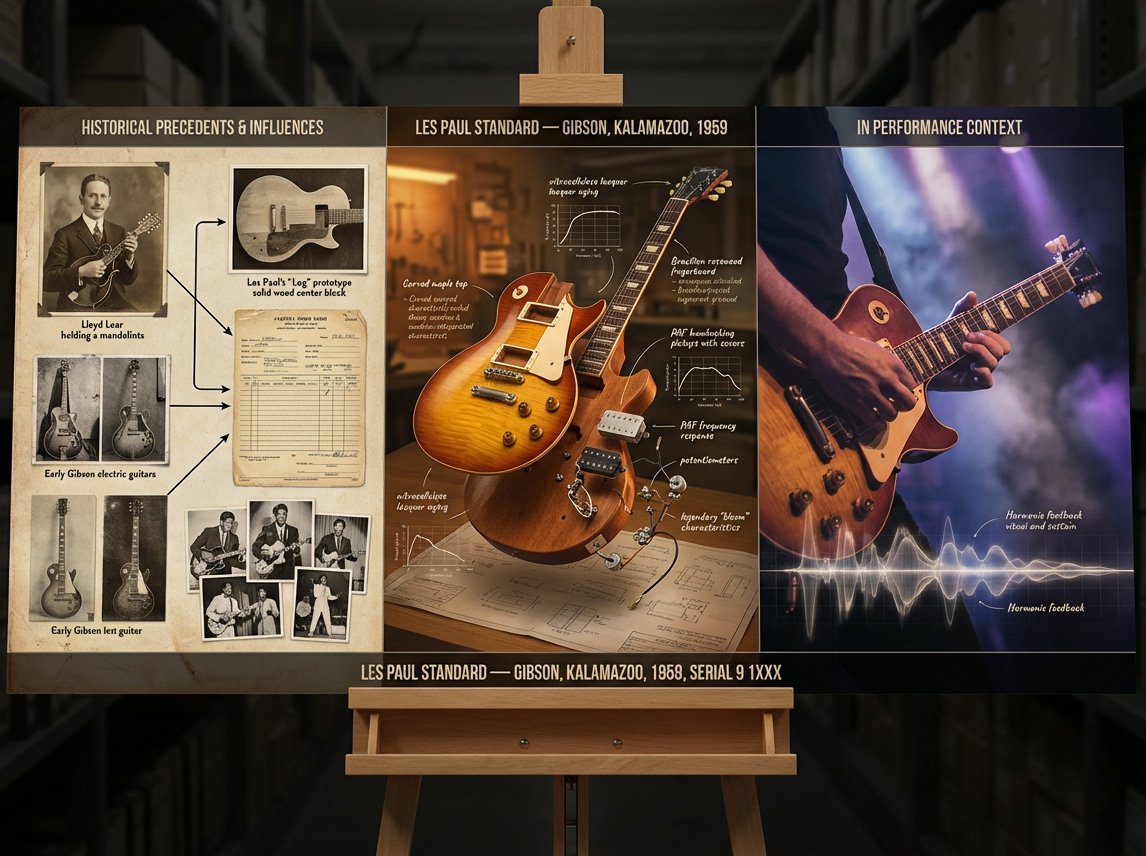
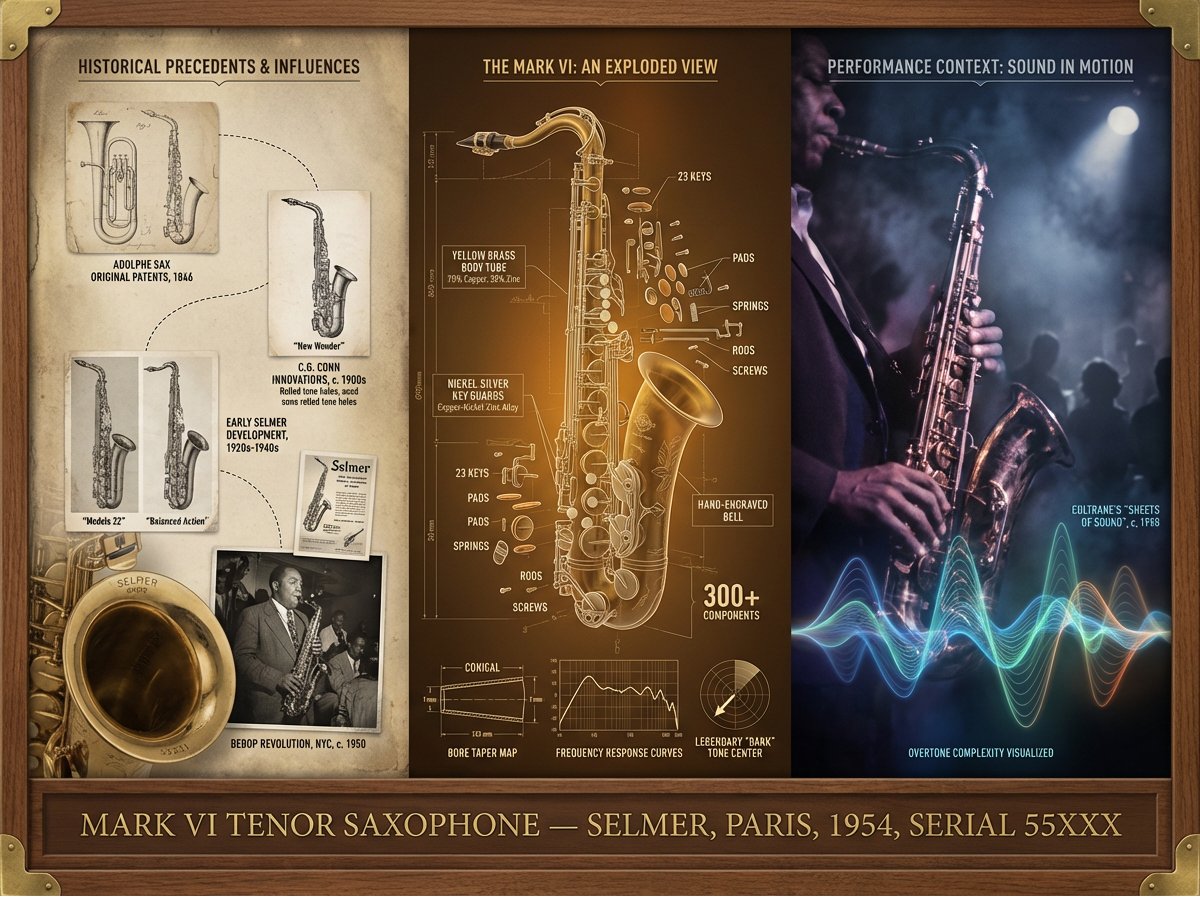

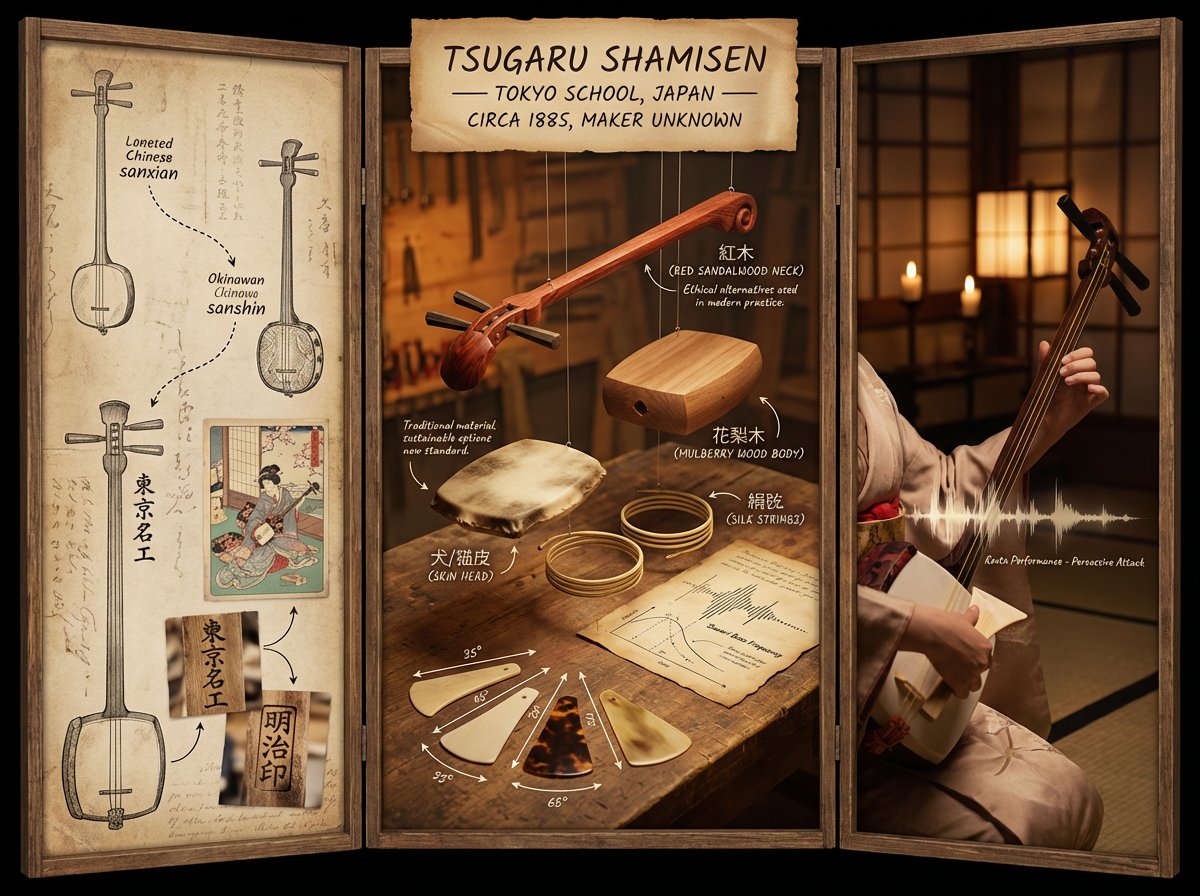
The left section of the board is a historical treasure trove. It elegantly maps out the instrument’s lineage with finely drawn lines connecting ancestor instruments, each annotated with maker’s marks and accompanied by period photographs rendered in an aged daguerreotype style. This sepia-toned nostalgia immediately grounds the viewer in the instrument’s rich past, evoking the meticulous craft of earlier makers and schools.
Moving to the center, the heart of the board reveals the Nano Banana Pro in an exploded view. Here, each component floats in space, clearly separated and labeled. The wood species are identified with subtle annotations, and the varnish layers are shown in cross-section—details that are often invisible even to the trained eye. I particularly appreciated the overlay of acoustic properties, where frequency response curves and tap tone locations bring the instrument’s sonic qualities to life visually. This section’s warm amber workshop lighting creates a tactile, almost tangible feeling of craftsmanship.
On the right, the scene transitions dramatically to a concert hall chiaroscuro. The instrument is shown in performance context, with the musician’s hands caught mid-motion, a blur of energy and precision. The subtle waveform overlay representing sound waves adds an ethereal dimension—making the invisible audible through visuals. This part feels alive and immediate, connecting the instrument’s storied past to its vibrant present.
The title block anchors the entire composition, elegantly displaying the instrument’s name, maker, city, year, and opus number. This detail grounds the artwork in authenticity and gives a sense of provenance that’s crucial for any luthier’s genealogy.
Creating this piece taught me a lot about how to use text to image AI tools like Firefly to communicate complex stories visually. It’s not just about generating beautiful images but about layering information and emotion in ways that resonate deeply. Adjusting the prompt to specify distinct visual moods for each section was key to achieving a seamless flow across the board. I also learned to avoid overloading the image with too many small details, which can obscure the clarity of the narrative.
If you want to experiment with similar genealogical or technical visualizations, remember that prompt adjustments focusing on lighting, texture, and sectional composition can dramatically affect how your AI art creator brings your vision to life.
You can find the full prompt here: ✨Prompt✨
For more ideas on how to harness AI for detailed image generation and text to image projects, check out AI image generator and AI art creator. These tools really open up new creative horizons when you want to combine technical precision with artistic storytelling.