Why Invisible Characters Captured My Imagination
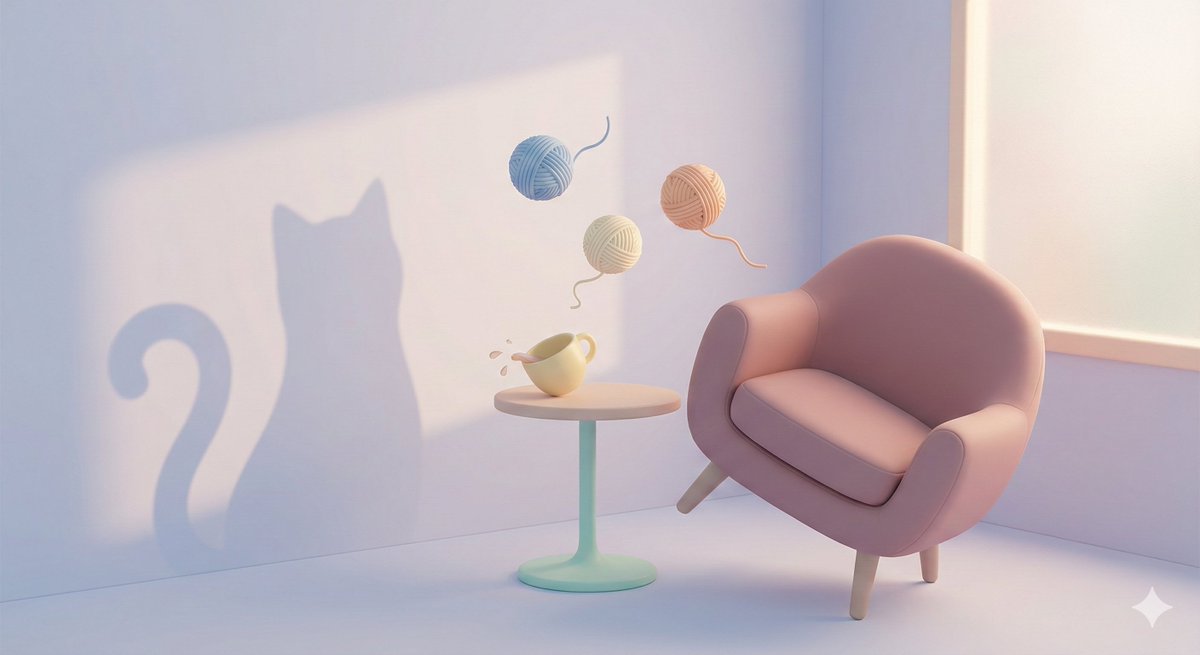
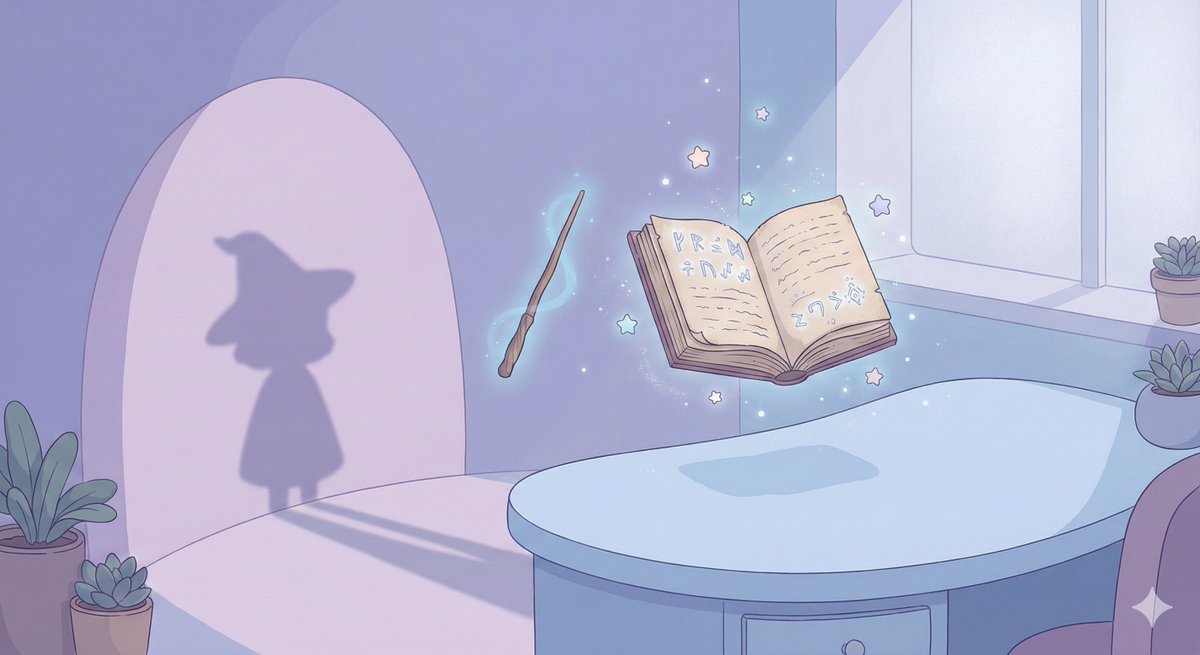
When I first encountered the idea of an invisible character scene, I was curious how absence could communicate so much presence. Instead of showing a figure directly, the scene uses subtle nudges — furniture slightly shifted, objects frozen mid-air, and shadows that suggest a form just out of sight. This approach intrigued me because it invites viewers to fill in the blanks, making the artwork interactive and emotionally engaging.
For my latest project, I embraced the Gemini Nano Banana Pro prompt, which guided me toward a pastel color palette and minimalist surreal environment. The result is an ethereal space where mystery and playfulness coexist. The soft hues create a calming backdrop, while the surreal elements add a twist of dreamlike wonder.


You can find the full prompt here: ✨Prompt✨
Visual Details That Brought the Scene to Life
The key to making the invisible character feel real was how the environment responded to their presence. I focused on small but powerful details:
- Furniture displacement: A chair slightly pushed back as if someone just stood up.
- Objects mid-air: A book floating above a table, pages fanned out as if caught in a sudden breeze.
- Shadows: Soft, ambiguous shadows hinting at human shapes without defining features.
- Color choices: A pastel palette of mint greens, blush pinks, and soft yellows to keep the mood light and mysterious.
These elements together create a playful atmosphere that feels like a quiet secret waiting to be discovered.
Practical Insights on Using This Prompt
Working with invisible character scenes taught me several useful lessons about AI prompt crafting and image generation:
- Prompt adjustments: Being specific about the environment’s reaction to the character’s presence (e.g., furniture moved, objects mid-air) helps the AI generate more believable interactions.
- Balancing minimalism and surrealism: Too much clutter dilutes the mysterious vibe; keeping the scene simple with surreal touches enhances the emotional impact.
- Color palette matters: Pastel colors soften the scene and add to the playful yet enigmatic tone.
- Common prompt mistakes: Avoid explicitly stating “invisible character” without describing environmental clues, as the AI may struggle to depict absence convincingly.
This experience expanded my understanding of how to use AI art creators for nuanced storytelling, especially when the subject is more implied than shown.
Where to Go From Here
If you want to try your hand at invisible character scenes or other subtle visual narratives, I recommend exploring AI image generator tools that let you iterate quickly on details like lighting, shadows, and object placement. Experimenting with text to image prompts that focus on environment interaction rather than direct character depiction can open fresh creative doors.
For more inspiration on prompt styles and use cases, check out other AI art creator examples and dive into the nuances of image generation techniques.